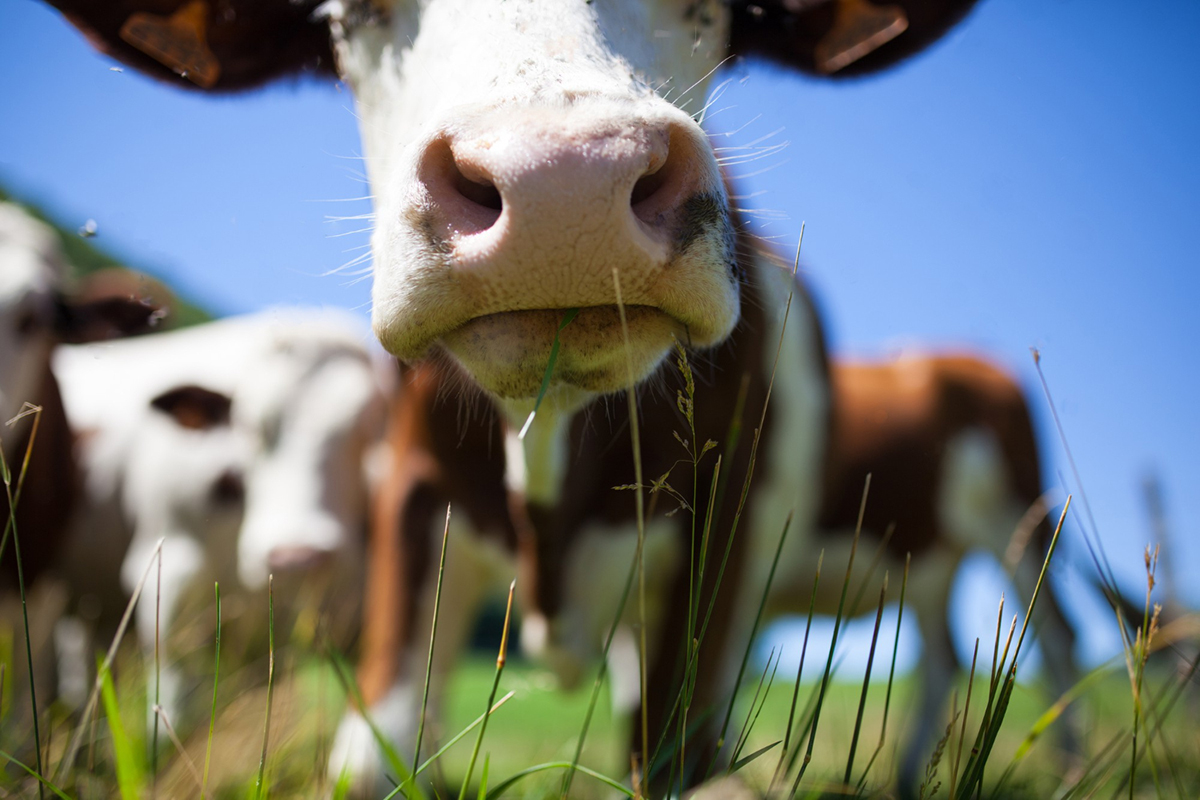
DON’T BLAME THE COWS!
First published in 2026
DON'T LIKE TO READ?
Don't like to read? Here is an audio version of this page. This is an AI reader.
They have blamed it on the flatulence of cows, claimed it is our wind turbines slowing down the atmosphere, and some have even blamed undersea volcanoes! I’ve heard it all! Denialists are some of the most imaginative people out there.
South African businesses were meant to legally start mandatory carbon monitoring and reporting from 1 January this year…
I bet you can count on one hand the number of companies you know that have done so.
What Legislation Is out There?
Our country enforces, (or, is meant to enforce… enforcement is not our strong point) its emissions targets through a closely intertwined matrix of environmental and fiscal laws. It’s so complicated and taxing… you need someone like me to help!
Here are some notes to ponder…
Our Climate Change Act (signed in 2024 / implemented in 2025). This overarching law requires the government to set sectoral emissions targets for us. For high-emitting businesses, it introduces legally binding carbon budgets. Under the recent draft regulations, companies that fall within the threshold must register, calculate their carbon footprint, and file mitigation plans annually.
Does your business need to do this?
Ask me!
Next, our Taxation Laws Amendment Act, 2026 (Phase 2 Carbon Tax). This was promulgated early 2026, and this Act officially kicks off Phase 2 of the Carbon Tax (2026–2035). The baseline tax rate is R308 per tonne of CO₂e, climbing sharply towards R462 by 2030! That’s a lot of moola!
Then, our National Greenhouse Gas Emission Reporting Regulations, administered by the Department of Forestry, Fisheries and the Environment (DFFE for short), these regulations require any facility exceeding specific thermal or production-capacity thresholds to measure and record its emissions in the National Atmospheric Emission Inventory System.
Now, Why Do We Need to Do This?
This is not a money-making scheme or the government simply trying to make our lives harder, although climate change is going to cost us a lot, and it will certainly affect the quality of our lives…. There is no avoiding this I am afraid.
There are intended to be severe legal and financial penalties for failing to comply with the new emissions laws. This isn’t just a tax risk. Recent updates to enforcement mechanisms introduce corporate fines exceeding R9 million+ and the potential jail time for executives who fail to adhere to mandatory reporting requirements. How is your boss doing with their responsibilities?
The carbon-tax burden is real. I know I am probably preaching to the converted! As basic tax exemptions disappear, carbon footprints are shifting from being an abstract ‘sustainability metric’ to becoming a significant operational cash-flow liability.
Finally.
Global trade barriers and funding are becoming increasingly important to ponder please. South Africa has a highly carbon-intensive electricity grid. International trade mechanisms, such as the European Union’s Carbon Border Adjustment Mechanism (CBAM), penalise high-carbon imports – and we are on the top of that list because the entire value chain is taken into consideration. Our local businesses must monitor footprints to remain globally competitive and attract ESG-focused institutional investors, and this is going to require a lot of extra effort and investment.
Who Can Help Arrange a Carbon Footprint Assessment for Your Business?
Me!
While there are a number of agencies out there that can consult on carbon footprints and deal with matters such as SANAS, ISO 14065 and ISO 14064 standards, South African carbon offsets, Verra validation, and Section 12L energy-efficiency tax incentives, I take it one step further by wearing two of my other hats.
- As a Business and Environmental Technologist, I can provide a macro assessment of business operations, assets and policies, encompassing a much broader perspective of influence.
- As a digital architect, I can improve technical efficiency and help a business prepare for the future.
I balance compliance with ethics, environmental concerns, human-centred needs and good business.
So, don’t blame the cows, Global Warming, as it is right now, is a human-induced problem, and one for us to collectively solve. You can reach out to me at this link for support and a quote on the services I offer: https://www.jeanpierremurraykline.co.za/future-thinking/
The END.
WANT TO READ MORE ARTICLES?
But wait, there is MORE!
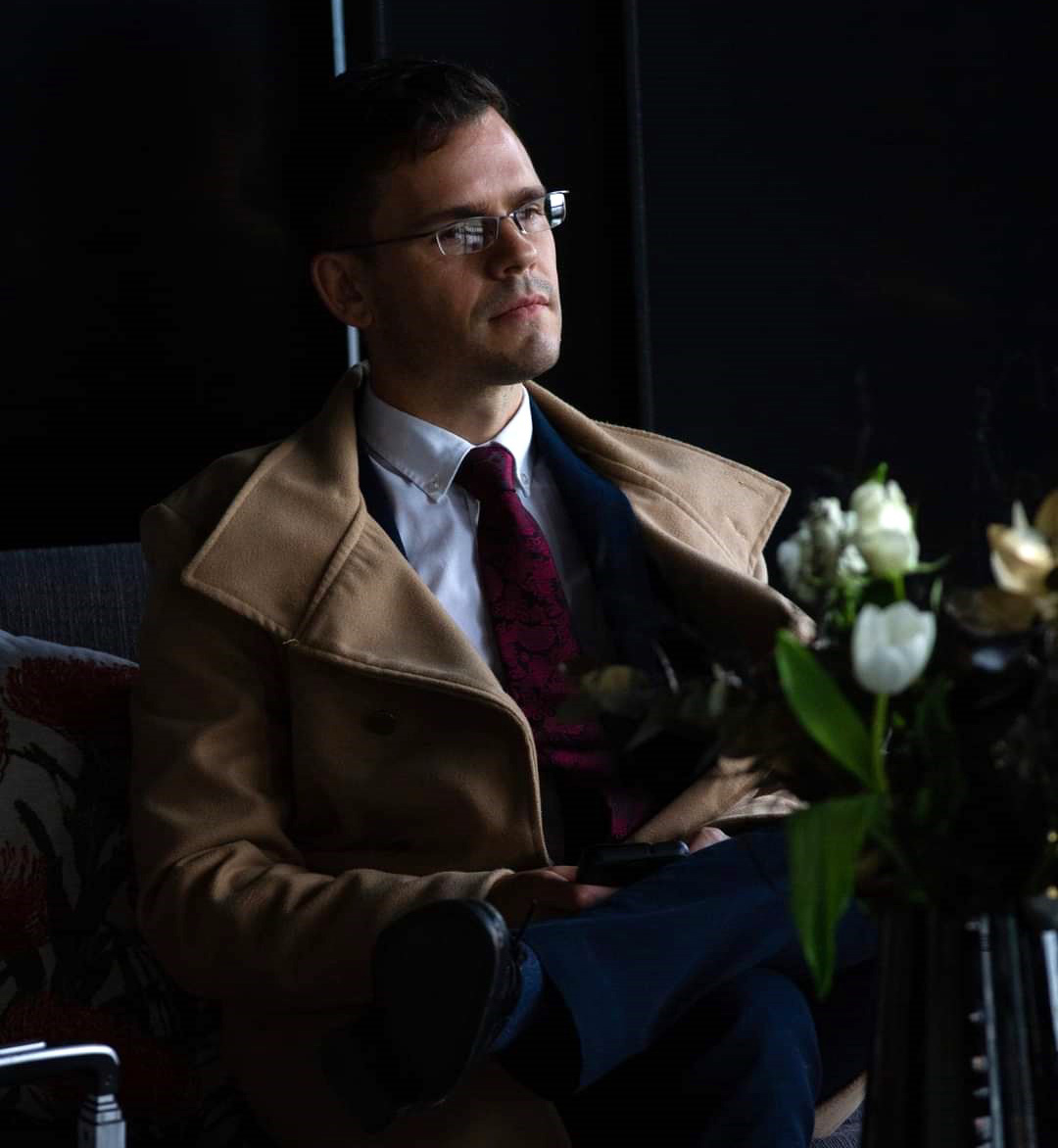
Who is Jean-Pierre Murray-Kline?
Jean-Pierre is a South African serial e-entrepreneur, published author, and change champion who has worked in over 300 types of industries in some capacity or another. His own online businesses have generated millions of Rands and involved sectors such as law, web & app development, events & entertainment, property, technical services, media, and tourism.
He has travelled to over 180 cities worldwide and is extremely active as a business and environmental technologist. In addition to his own projects, he researches and consults on all things online: marketing, reputation, compliance, law, and e-security, and also offers strategy workshops and scenario sessions on future thinking with a key focus on technology, the environment, and global influences.
Jean-Pierre is often asked to be a guest speaker on a variety of subjects he continuously studies and writes about.