
Africa’s Data Centre Boom: Digital Colonization & Data Sovereignty (June 2026)
AFRICA IS AGAIN FACING COLONIZATION
First published in 2026
DON'T LIKE TO READ?
In a recent keynote talk I expressed a thought that motivated this article. It’s a major trend and will influence us all.
I said “Africa is again facing colonization, and this time by data centres.” As of this year, our continent has between 220 and 249 operational data centres, with an additional 52 to 56 new facilities planned or actively under construction. This surge in digital infrastructure is driven by the massive increase in cloud adoption and the growing requirements of artificial intelligence.
A significant portion of Africa’s existing data centre capacity is concentrated in just a handful of economies: South Africa is the undisputed hub, hosting 61 facilities and accounting for approximately 70% of Africa’s operational IT power capacity. Nigeria follows with 25 operational data centres, while Kenya takes third place with 19 active facilities. Egypt and Morocco are also worth mentioning as up-and-coming players.
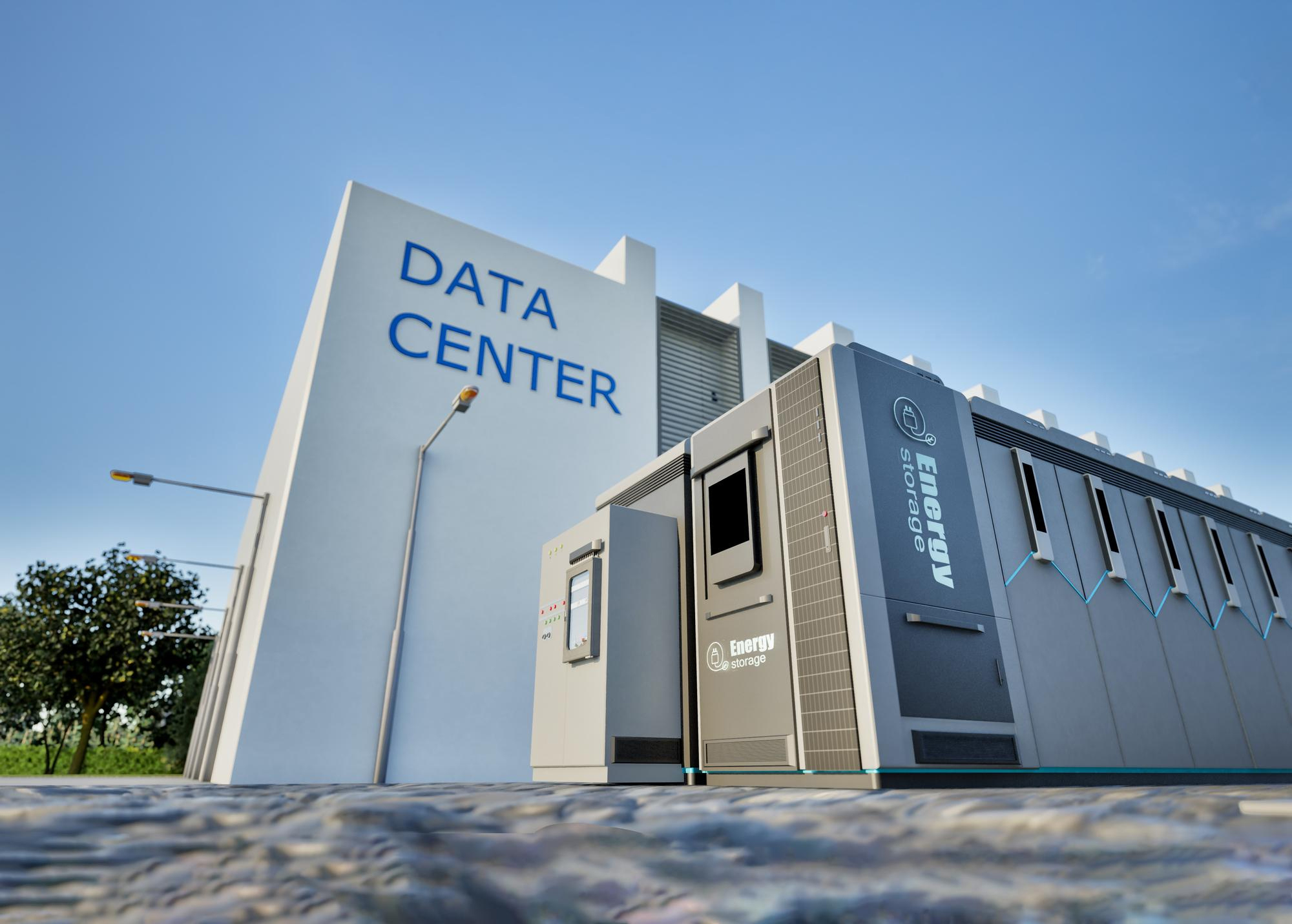
The issue is that roughly 60% to 70% of our data centre capacity is owned, controlled, or heavily financed by international companies headquartered outside our continent. I think this fact should raise an orange if not a red flag for us because there are many projects in the pipeline, and there are negative aspects to this infrastructure, along with our lack of ownership and control over it, and lets not forget, this is just the beginning.
Major global tech firms are investing in this sector. For instance, Microsoft is developing a $1 billion green, geothermal-powered 100MW data centre in Kenya and is also building self-operated facilities in South Africa, scheduled for completion in 2027. Equinix has committed to a $390 million investment over five years to establish builds across South Africa and West Africa. Additionally, Teraco and Cavaleros Group are expanding their infrastructure capabilities with massive new campuses in Johannesburg and Cape Town, including a planned 360MW campus in Cape Town. Africa Data Centres is also establishing new facilities throughout the continent, including a $300 million, 30MW project in Accra, Ghana. Lots of moola being spent here..
So, what’s the other side of this coin?
In spite of the economic benefits that the digital economy offers, the physical infrastructure linked to data centres has a considerable ecological footprint. Data centres pose a significant environmental risk due to their demands for electricity and water, which conflict with Africa’s existing resource limitations. Does the international community care, and do we? I don’t think they do, and I don’t think we know enough to care, which is why I write these articles: in hopes we learn and then act. So, what have I prepared for class?
Lesson one: the issue of strained power grids and increased carbon footprints. Data centres require vast amounts of electricity to operate processors and cooling systems around the clock. They never shut down, always consuming power. In key African tech hubs, such as our own South Africa, local power grids continue to rely heavily on fossil fuels like coal and gas. We are literally burning diesel to power data centres here. This reliance on fossil fuels means that every kilowatt-hour consumed contributes to rising carbon emissions, in significant numbers. The direct CO2 emissions from all data centers in Africa are estimated to be between 1.1 million and 1.5 million metric tons of CO2 equivalent annually which relative to Africa’s overall digital footprint, it is disproportionately heavy!
Lesson Two: Data centres contribute to massive water consumption in regions where water is scarce. Most data facilities utilize water-evaporative cooling towers to prevent overheating. Yes, we literally boil that vital resource into thin air. Did you know that some large data centres can use up to 19 million litres of water daily? That’s roughly equivalent to the daily water needs of a town with a population of 10000 to 50000 people! Think about that! I hope it’s obvious, but let me state it anyway: this excessive consumption exacerbates water scarcity issues, particularly in Sub-Saharan Africa, where droughts and water stress are already top of mind and a real point of anxiety for us. I don’t want to end up like a citizen in this video: https://www.youtube.com/watch?v=J3vMidXgWoQ

Lesson Three: The accumulation of electronic waste (e-waste) presents a critical issue, yet another one. To support advancements in artificial intelligence and cloud computing, which are currently hot topics, data centres undergo rapid hardware refresh cycles every three to five years, leading to a continuous flow of discarded servers, circuit boards, and network switches. Historically, our beautiful Africa has faced challenges in establishing formal e-waste recycling infrastructure, resulting in toxic components being discarded in unmanaged landfills, posing risks of heavy metal contamination in both soil and groundwater.
Lesson Four: Corruption plays a significant role in the expanding African data centre landscape. The construction of these large-scale facilities is rife with major infrastructure corruption risks. We all know we love a good tender! (well, not me, I don’t tender for any jobs). This concern is particularly annoying for me because the digital services these centres provide serve as powerful instruments in the fight against corruption. We have ourselves a good chicken and egg scenario. We are doing to witness a complex interplay between data centres and the threat of corruption, which I have no doubt we can find (if we look a little) along the supply chain: including capital investment, land acquisition, municipal approvals, and connections to power grids, all opportunities for scoundrels. We need to keep a close eye on this matter because digitizing our continent and its people is vital. After all, a digital nation is less likely to be a corrupt one, according to research from organizations like the International Monetary Fund (IMF), who say digital adoption is strongly associated with lower perceptions of corruption.
Final Lesson: The rapid growth of the data centre industry exposes regulatory gaps and issues of sovereignty. As the sector expands, many countries have yet to establish specific “Data Centre Laws.” Instead, oversight often falls under broader telecom, environmental, or investment regulations. This regulatory gray area can be exploited by unscrupulous individuals who may use political connections to circumvent necessary environmental impact assessments or water usage limitations. Addressing these gaps is essential for ensuring sustainable growth and supporting the positive impacts of digitalization on governance.
How do we gain control over this new wave of colonization? How do we prevent international capital and power abusing us via those in power who enjoy a kick back? How to we mitigate the environmental harm? How do we obtain and maintain our data sovereignty? Over to you change champions and future thinkers!
The END!
WANT TO READ MORE ARTICLES?
But wait, there is MORE!

Who is Jean-Pierre Murray-Kline?
Jean-Pierre is a South African serial e-entrepreneur, published author, and change champion who has worked in over 300 types of industries in some capacity or another. His own online businesses have generated millions of Rands and involved sectors such as law, web & app development, events & entertainment, property, technical services, media, and tourism.
He has traveled to over 180 cities worldwide and is extremely active as a business and environmental technologist. In addition to his own projects, he researches and consults on all things online: marketing, reputation, compliance, law, and e-security, and also offers strategy workshops and scenario sessions on future thinking with a key focus on technology, the environment, and global influences.
Jean-Pierre is often asked to be a guest speaker on a variety of subjects he continuously studies and writes about.
Disclaimer:
- While I attempt to ensure information is accurate and up-to-date at time of publication, I will not accept liability should information be used, and found to be incorrect. If you do see an error, please let me know.
- The links, images, videos and/ or text from this article are not necessarily under my direct management, ownership or care. Should you be the owner or manager of any content herein, and wish for the content to be removed, please let me know and it will be done.