
Fossil Fuel Corruption Exposed: South Africa’s Energy Reality. (April 2026)
CRIMINAL
First published in 2026
DON'T LIKE TO READ?
I write this article fully aware that this week I stopped at a petrol station and put petrol in my car, making me an accomplice to a crime.
The crime being ‘fossil fuel’. Wait… before you roll your eyes thinking this is another tree‑hugging hippy article, let me assure you it’s not!
If you read on, and I hope you do, you will quickly learn that this article is actually about a bunch of scoundrels we have empowered and enriched.
As for the crime, I’ll tackle our get‑out‑of‑jail card towards the end of this article.
But first, the charges!
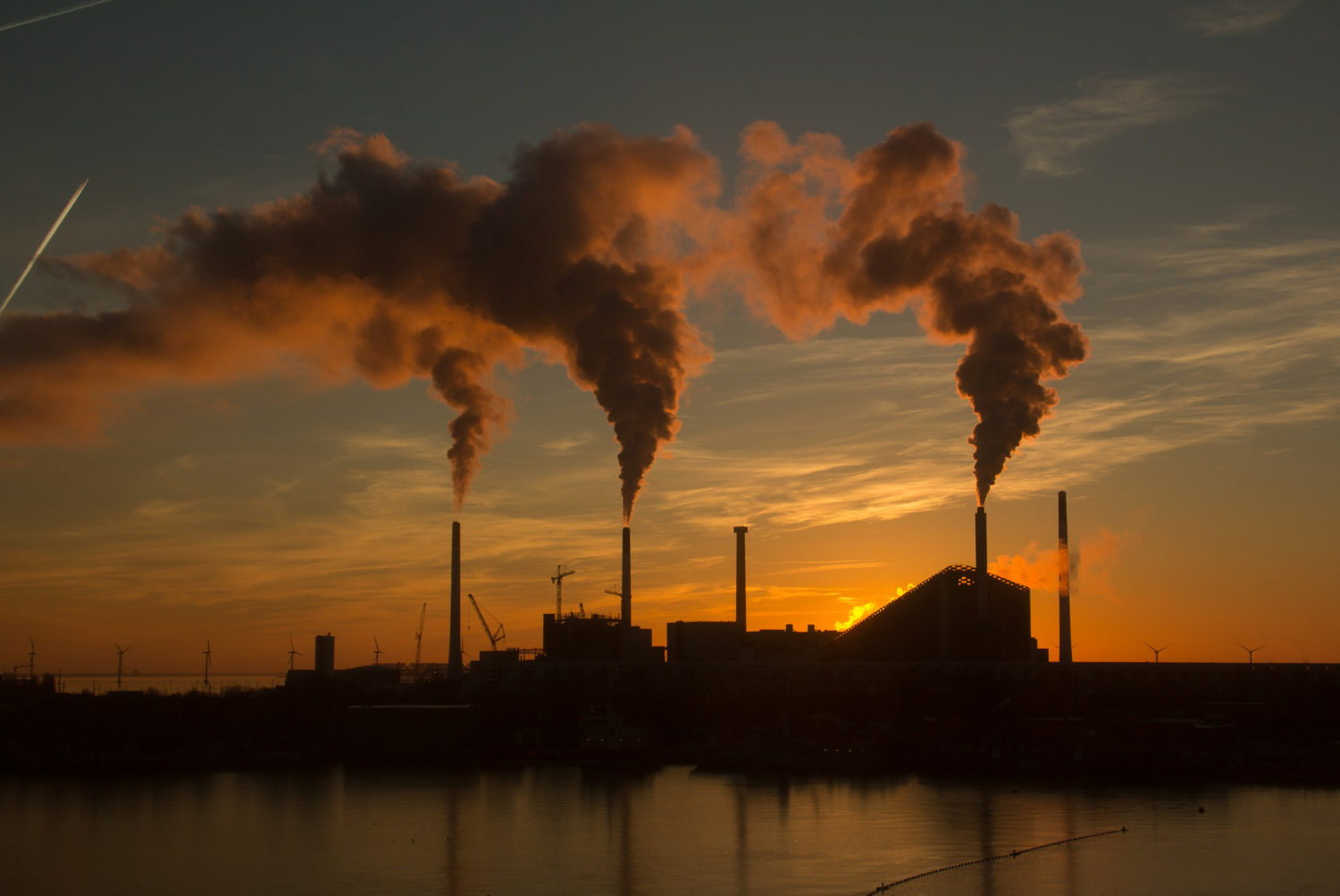
Recently, I rejected a promising business opportunity. This was required because my company has a policy in place that prohibits me from offering services to another company that is actively involved in searching for new sources of fossil fuels. I can tell you now it hurts turning deals away, but I believe the only way to truly effect change is to enact it. It’s important I lead by example and not just by writing ideas in articles. That situation inspired me to write this article, and it’s an important one for you to read.
I start with a disclaimer: around the world there are many hardworking, good people who work in the fossil‑fuel trade industry. My research suggests about 8 million are working in positions related to oil, 6 million with coal, and gas has about 4 million, 3.5 million in bioenergy supply, and another 11 million or so in fossil‑fuel power generation and internal combustion engine vehicle manufacturing. I hope I have not left anyone out. An interesting nugget to know is that these people earn around 15% more than their peers in green energy sectors. In Mzansi, the expanded and cumulative sector probably has around 280000 people working in it.
I know this country needs every job. I do not wish to put all these people before the judge today. The purpose of this article is, however, to share some insights on just how dirty this industry is. And its filthy, far worse than your kitchen sponge or flushing your toilet with the lid open, which if you research are some of the dirtiest things and activities in our lives. Just eww.
When it comes to dirty things in business, there is an undeniable link between the fossil‑fuel industry and corruption. It’s not even a hard link to find if you actually try. If you are prepared to take your blinkers off, you will learn it is not hard to find legal convictions and ongoing investigations into very high‑level corruption. I found a plethora of information readily available, detailing fuel companies’ deceitful activities and shenanigans. I am going to do some name dropping in a moment. There are several themes of issues and categories of severity to unpack first.
The first theme I want to mention is ‘Corruption and Bribery’. South Africans know these themes well. These two nasty characters are peas in a pod. When it comes to fossil fuels, companies paying bribes to secure resources or influence political elites is as common as spiders in the amazon forest. Have you heard about the former Nigerian petroleum minister Diezani Alison‑Madueke? Well, around the time I prepared this article, she was on trial for allegedly accepting bribes from oil tycoons. She is accused of accepting over £100000, private‑jet flights, and luxury goods in exchange for awarding multimillion‑pound oil contracts. Heard of the OPL 245 saga? I hadn’t, and it has run for over a decade! The allegations claim Shell and Eni paid $1.1 billion to a shell (no pun intended) company used to bribe Nigerian officials for offshore drilling rights. ‘Nigeria’ is a theme title on its own, and the country faces a systemic crisis of industry operations woven with organised crime.
Another theme is called ‘Illegal Bunkering’ which is all about the unauthorized siphoning, transportation, and sale of crude oil and refined petroleum products in illicit ways. It is an entire scrupulous business sector needing its own article.
‘Fraud and Deception’ is another theme. There is increase litigation around companies knowingly misleading the public about known climate risks. Deceptive advertising is all over the place and I will tackle the subject of greenwashing a little later in the article. That work opportunity I mentioned I rejected at the start of this article, was one presented to me by a Marketing / Public relations company. Sis on them! Let me not get off track, where was I? Oh yes.
Recently the United States Supreme Court (a very busy court!) agreed to hear some major cases, some running decades‑long like the ones with firms ExxonMobil and Suncor. Then there is the matter around former VP of Corsa Coal who was convicted of conspiring to bribe some Egyptian officials for $143 million in contracts. That’s a lot of money, but still a tiny fraction in the bigger picture.
Its not just about money. People lose their lives as well. One bit of research I found said between 2012 and 2024, at least 2253 land and environmental defenders were murdered, or ‘disappeared’ globally. Tens of thousands die prematurely from pollution related to the sector, and hundreds of thousands are displaced. Considering all this, I am not surprized to see more regulatory frameworks being developed at the moment, for example, the EU’s Corporate Sustainability Due Diligence Directive (CSDDD for short), which requires large firms to identify and prevent environmental and human‑rights harm in their supply chains. Another is the UK’s Economic Crime and Corporate Transparency Act (ECCTA for short) which makes it an offence if you ‘fail to prevent fraud’.
We must try remember, that all shenanigans have ring leaders. Marc Rich, born in 1934, came from modest beginnings but gained the title of ‘King of Oil’. He built a vast commodities empire while facing intense legal scrutiny. He was indicted in 1983 (the year I was born) on over fifty counts of tax evasion, fraud, and racketeering, and also some illicit trade with Iran. Rich fled to Switzerland and lived as a fugitive for 17 years. His controversial full pardon on January 20, 2001, sparked allegations of political influence tied to donations linked to his ex‑wife, Denise Rich. Despite the scandals, his trading house evolved into the global powerhouse later known as Glencore. I believe Glencore owns Astron Energy in South Africa as well.
There is Frank Timis, a Romania/UK mining and oil tycoon with past criminal convictions, and he is central to a reported $10 billion energy scandal in Senegal, accused of bribing officials to secure offshore concessions later sold to BP. In London, former Nigerian petroleum minister Diezani Alison‑Madueke was accused of accepting luxury bribes, properties, private jets, and shopping sprees, in exchange for lucrative oil contracts. In India, Gautam Adani faced advancing U.S. legal action in January 2026 over SEC allegations of a bribery scheme tied to energy projects. In Indonesia, February 2025 investigations implicated seven people, including five Pertamina subsidiary executives, in an oil‑import corruption scandal costing the state an estimated $12 billion. The 2017–18 Saudi anti‑corruption purge saw figures like Prince Alwaleed bin Talal and Mohammed al‑Amoudi detained.
We have some ‘Kings of Oil’ in South Africa. Mr Jacob Zuma is a prime example of someone in political power who has oiled the cogs for benefit and private interests, especially in coal and power. The Zondo Commission found Zuma instrumental in repurposing Eskom to favour Gupta‑linked firms: alleged orchestrated executive removals in 2015 led to appointments that enabled lucrative contracts for Gupta businesses. The Optimum Coal transaction, pressured sales by Glencore to Tegeta, and an irregular R2 billion advance payment by Eskom exemplify how state assets were leveraged to facilitate takeovers. Subsequent contracts favoured higher prices and lower‑quality coal, and alleged pushes for costly nuclear deals with Russia appeared tied to Gupta uranium interests.
Across Africa, staggering wealth from oil and gas has frequently intersected with corruption and state capture, as powerful elites and other scoundrels divert public resources into private hands and bank accounts… and perhaps couches? Several high‑profile figures amassed fortunes from fossil fuels and have been convicted, indicted, or credibly accused of serious crimes tied to those gains. Isabel dos Santos, formerly Africa’s richest woman and head of Angola’s Sonangol, was implicated by the Luanda Leaks for allegedly using her father’s presidential influence to siphon state oil revenues into a personal empire. Interpol issued a Red Notice in July 2024, and courts have frozen over $1 billion of her assets across Angola, Portugal, and the UK. There is Dan Etete, a former Nigerian oil minister, covertly awarded the lucrative OPL 245 block to his own Malabu Oil and Gas, and is accused of diverting most of the $1.1 billion paid by Shell and Eni as bribes.
There is Teodoro Nguema Obiang Mangue of Equatorial Guinea, the vice‑president and son of the long‑serving president, who has built much of his fortune on the country’s oil wealth. He was convicted in France for money laundering and embezzlement (2017, upheld 2021), and he had to watch his €100 million Paris mansion seized after the International Court of Justice ruled in France’s favour in September 2025, amid allegations the property was bought with misappropriated state oil funds.
Denis Christel Sassou Nguesso of the Republic of Congo, minister of international cooperation and son of the president, formerly held senior posts at the national oil company and has been accused of embezzling more than $50 million to fund a lavish lifestyle. In January 2026, Norwegian prosecutors charged two individuals with paying $25 million in bribes to President Denis Sassou Nguesso and his family for offshore drilling rights.
While we were doing our festive season shopping, Malusi Gigaba, a former minister of public enterprises in South Africa, was among several high‑profile figures who appeared in court in December 2025 on charges of fraud, corruption, and money‑laundering linked to multibillion‑rand tenders at state‑owned enterprises. Gwede Mantashe, our mineral resources minister, has repeatedly faced allegations of conflicts of interest and corruption over mining rights and energy tenders, which he of course denies. PetroSA has a history of fraud, mismanagement, and irregular contractor payments and was partly excluded from early SANPC merger phases because of those risks. Eskom’s state‑capture era revealed manipulation of coal contracts benefiting private suppliers.
Organized criminal networks drive illicit fuel trade, adulteration and smuggling, costing our fiscus an estimated R3.6 billion annually. Authorities reported in July 2025 that R11 billion in stolen assets had been recovered; corruption in the coal supply chain has produced multibillion‑rand losses, and in August 2025 a major supplier to Tutuka Power Station was sentenced to 12 years for fraud and corruption. How could this level of crime take place, and Gwede not have known even a little?
A theme we often don’t link to our petrol station visits is ‘Human Rights Abuses’ and ‘Violent Crime’. These are dominant and disturbing characters rarely acknowledged but so heavily ingrained into the supply chain. With just the most basic research skills you will find an abundance of reports about industrial extraction projects linked to violence in surrounding communities, temporary worker settlements, also called ‘man camps’ and found near drilling sites. These places are ripe with sexual assault, human trafficking, and violence against women.
In 2024 criminal complaints were filed against TotalEnergies’ board and shareholders alleging involuntary manslaughter and crimes against humanity related to climate impact. This is just one company I could name. The cumulative historical damage from the sector over the last decade alone for the ‘unpaid bill’ for environmental and social harm exceeds $50 trillion but all time would be well over $200 trillion. Bearing this in mind, it makes me smile to know that environmental litigation is on the rise, and I am so glad for it. In January this year environmental groups invoked a landmark International Court of Justice opinion to bolster appeals against Shell’s offshore exploration wells, arguing the projects violate the constitutional right to a healthy environment.
I hope that if this article does just one thing, that it be, you come to realize that the fuel you are putting into your car, got there on the back of an extremely dishonest industry. Our petrol stations get their stock through a mix of international imports and limited domestic production. We remain heavily dependent on imported refined petrol and diesel from India, the United Arab Emirates and Oman. For the crude still processed domestically, nearly half comes from Nigeria (about 48%) and a significant share from Saudi Arabia (about 18%), with smaller volumes from Angola, the USA, and Ghana.
For South Africans, we do not yet have an alternative for powering our cars, taxis, trucks, planes, and power stations. Not yet. But things are changing. We must continue to learn about the sector, lobby for change, and not allow ourselves to be manipulated or become complicit in enabling these crimes. Sometimes we are outright lied to in direct marketing campaigns. Evidence of greenwashing by fossil‑fuel companies is increasingly being brought to the surface through advertising rulings, lawsuit disclosures, and independent audits.
Regulators have flagged numerous misleading ads for example in October 2025 a Paris court found TotalEnergies guilty of illegal greenwashing for claiming to be a ‘major player in the energy transition’ while expanding fossil fuel production. The UK Advertising Standards Authority ruled against Equinor for ads promoting wind power despite the company remaining overwhelmingly fossil‑based and for suggesting the Rosebank oil field would reduce CO2. Australian authorities took action in 2025 against Hancock Prospecting for unsubstantiated ‘clean gas’ claims and against Australian Gas Networks for vague promises that gas would become ‘renewable within a generation’.
These scoundrels use deceptive marketing to delay climate action while preserving business‑as‑usual extraction. Unfortunately many of us take them at their word.
In Africa, greenwashing often reframes oil and gas expansion as ‘developmental’. Companies and state actors market large gas projects as transitional or low‑carbon while project emissions and local impacts tell a different story. For example, TotalEnergies markets LNG projects in Mozambique and Uganda as vital for a low‑carbon shift, yet environmental groups warn these projects will emit billions of tonnes of CO2 and methane.
Then there are nature‑based ‘offset’ schemes which have become another tactic. Large parts of African forest have been tied to carbon‑credit deals, such as Blue Carbon initiatives and REDD+ projects, only for investigations to reveal paper‑only protections, displacement of Indigenous communities, and limited climate benefit, allowing firms like Eni and Shell to claim carbon neutrality while extraction continues.
South Africa’s Advertising Regulatory Board and the Financial Sector Conduct Authority updated their guidelines in 2025 to curb false claims about ‘clean coal’ and ‘green gas’. Major financiers, including Standard Bank, have faced accusations of greenwashing for promoting sustainable finance while backing projects like EACOP.
In recent months a powerful coalition of courts, financiers, change champions, future thinkers and communities has begun to choke off major fossil‑fuel expansions worldwide. Strategic litigation and regulatory rulings have stalled projects, from Shell’s retreat on South Africa’s Wild Coast to French criminal inquiries into TotalEnergies and the effective freezing of UK North Sea developments such as Rosebank and Jackdaw, creating legal and reputational risks that deter investors and developers. Most impressive for me, are the Youth‑led court cases asserting intergenerational rights which have stalled new procurement for gas and coal, while cities and subnational governments join Fossil Fuel Non‑Proliferation initiatives to block new fossil infrastructure locally.
The broader picture is clear to me, with a coordinated legal, financial, social and technical pressures eroding the fossil‑fuel sector’s dominance and creating viable pathways for a different energy future. Our get out of jail card has been played for the last time. My final point is a moral one, the sector’s abuses have been exposed. Institutions and businesses can choose to be a force for positive change. My business is pivoting toward that change.
Will you be brave enough to do the same?
The END.
WANT TO READ MORE ARTICLES?
But wait, there is MORE!

Who is Jean-Pierre Murray-Kline?
Jean-Pierre is a South African serial e-entrepreneur, published author, and change champion who has worked in over 300 types of industries in some capacity or another. His own online businesses have generated millions of Rands and involved sectors such as law, web & app development, events & entertainment, property, technical services, media, and tourism.
He has traveled to over 180 cities worldwide and is extremely active as a business and environmental technologist. In addition to his own projects, he researches and consults on all things online: marketing, reputation, compliance, law, and e-security, and also offers strategy workshops and scenario sessions on future thinking with a key focus on technology, the environment, and global influences.
Jean-Pierre is often asked to be a guest speaker on a variety of subjects he continuously studies and writes about.
Disclaimer:
- While I attempt to ensure information is accurate and up-to-date at time of publication, I will not accept liability should information be used, and found to be incorrect. If you do see an error, please let me know.
- The links, images, videos and/ or text from this article are not necessarily under my direct management, ownership or care. Should you be the owner or manager of any content herein, and wish for the content to be removed, please let me know and it will be done.