
AI Investment Bubble: Could ChatGPT and Big Tech Go Broke? (September 2026)
IF THE CANDLE BURNS TOO FAST, CHATGPT IS GOING TO GO BROKE!
First published in 2026
DON'T LIKE TO READ?
I want to report on something which makes perfect sense. In the same way teenager love (or passion) burns extremely hot, and then disappears almost overnight, the epically high levels of capital investment in AI might too be just a little ‘too much love’’ all at once, and the end result could be some broken hearts and an economic collapse of the sector?
What am I on about?
Well, the Bank for International Settlements (BIS for short), which by many is recognized as the “central bank for central banks,” released a firm ‘warning’ in its Annual Economic Report on the 28th of June 2026, saying that this rapid growth in investment towards Artificial Intelligence, totalling $1 trillion, poses a real critical threat to the global economy! Now that’s not intelligent, is it?
Their report also says that when comparing this investment surge to historical speculative bubbles like the British Railway Mania (for those of you who don’t know about this because we are too young like me, it took place in the 1840s) and the Dot-com crash of 2000 (I was around for that), advising that substantial investments driven by technological breakthroughs do often lead to significant recessions.
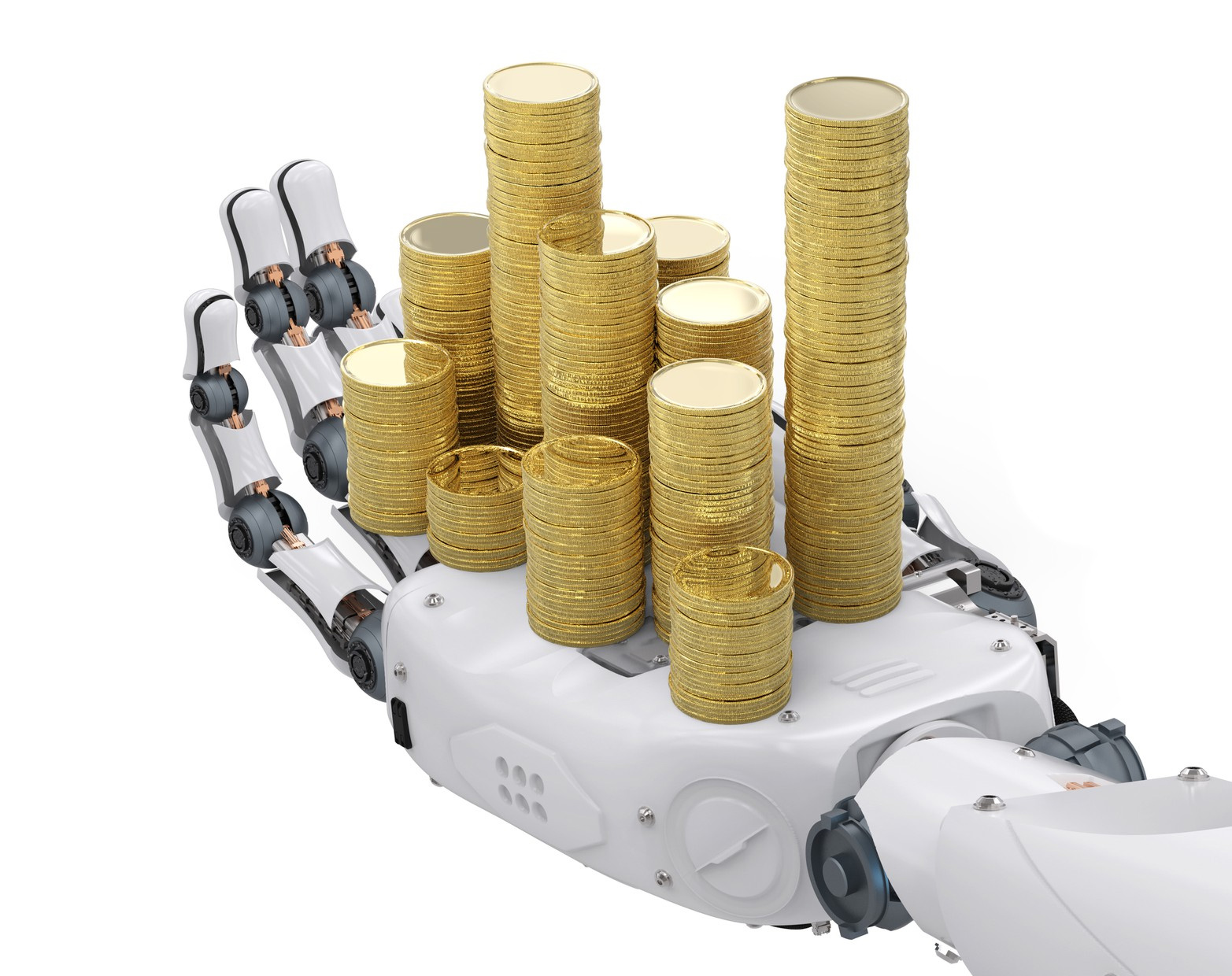
For us concerned about threats to critical threat to the global economy, what are the flags to look out for? Well, start by asking if there Mismatched Spending vs Revenue? Major technology firms including our much loved Microsoft, and also Alphabet, Amazon, Meta, and Oracle, are scheduled to invest over $1 trillion in AI between 2025 and our NYE party 6 months away. This massive expenditure exceeds their actual earnings and free cash flow! So, are these companies increasingly turning to debt and “shadow borrowing” to sustain all their shopping and spending?
Another question to ask is if there a ‘Circular Economy of Investments’ going around and around? BIS has pointed fingers at intricate financing dynamics within the AI sector, and an example is semiconductor companies investing in AI startups, which then purchase chips from these semiconductor firms. Another example to perhaps make is that many large tech firms are funding data center construction through corporate bonds and private loans, and then these clever peeps are leasing back the equipment! Does this not create hidden liabilities that could increase the risks of a financial crisis if a major entity defaults? Good to poke the bear.

Will spending slow down?
I don’t think so. Global AI Core Software & IT Systems Spending: 2023: $154 billion, 2024: $235 billion, 2025: $307 billion, this year $301 billion to $487 billion (Anticipated), 2027 predicted to be $500+ billion. This is before we start counting Global Venture Capital (VC) & Private Equity Investment of around $914.5 billion-ish, over the same time period. The Broader “Full Stack” Outlook including things like internal data center construction, coffee for IT nerds, energy infrastructure, legacy software overhaul, and hiring is probably at around $2.59 trillion. (By the way, over that same period of time for battling World Hunger, we only spent around $210 billion.
My conclusion?
Will the investment bubble on AI pop? Predictive Trading Markets: 60% to 65% Chance, Macroeconomic Research Firms: 70% to 75% Chance and Institutional Banking Position: Balanced Buildout (35% Crash Chance). So basically – it’s a 50/50 maybe – but I don’t think the big spenders will allow it. What about the percentage chance of us solving world hunger over the same period? Well, the mathematical probability of our global community fully solving world hunger over the next 5 years is effectively 0% – Afterall to permanently end world hunger, keeping every tummy full, by 2030, the United Nations has estimated that we need to invest roughly $90 billion to $93 billion annually. I wonder where we could get that from?
I really hope that the ‘future’ is not a place where CHATGPT can share food recipes to people with no food.
The END.
WANT TO READ MORE ARTICLES?
But wait, there is MORE!

Who is Jean-Pierre Murray-Kline?
Jean-Pierre is a South African serial e-entrepreneur, published author, and change champion who has worked in over 300 types of industries in some capacity or another. His own online businesses have generated millions of Rands and involved sectors such as law, web & app development, events & entertainment, property, technical services, media, and tourism.
He has traveled to over 180 cities worldwide and is extremely active as a business and environmental technologist. In addition to his own projects, he researches and consults on all things online: marketing, reputation, compliance, law, and e-security, and also offers strategy workshops and scenario sessions on future thinking with a key focus on technology, the environment, and global influences.
Jean-Pierre is often asked to be a guest speaker on a variety of subjects he continuously studies and writes about.
Disclaimer:
- While I attempt to ensure information is accurate and up-to-date at time of publication, I will not accept liability should information be used, and found to be incorrect. If you do see an error, please let me know.
- The links, images, videos and/ or text from this article are not necessarily under my direct management, ownership or care. Should you be the owner or manager of any content herein, and wish for the content to be removed, please let me know and it will be done.