
NUGGET (27 FEBRUARY 2026)

Nuggets! (Bite size updates on the real important stuff related to Tech, Trends, Business and the Planet.)
DON'T LIKE TO READ?
A BREATH OF FRESH AIR.
I am doing a lot of work at the moment about cities that are reinviting nature into their spaces. I was very happy to learn about Abuja in Nigeria who appear to be undergoing a transformation called the “garden economy,” and involves a rise in open-air venues that blend dining and nature! Love it! Apparently there is a plethora of outdoor restaurants, bars, and cafés that enable people to relax in lush settings while enjoying music and good company – as mother nature always is!
DIDN’T EXPECT THIS.
Something I was not expecting to hear from SpaceX is a shift in its near-term focus from Mars to building a ‘self-growing city’ on the Moon!

Looks like the orange planet is getting a back seat, maybe up to 7 years? This change was confirmed on February 8, 2026, citing orbital mechanics as a key factor. (Launch windows for the Moon occur every 10 days, compared to 26 months for Mars). There is apparently an uncrewed landing scheduled for March 2027, and the plan is to have a growing city there within 10 years. This shift aligns SpaceX with NASA’s Artemis program and is seen as a move to stabilize its valuation, estimated at $1 trillion.
A NEW CLUB.
Some news for startups! StartupClub ZA has launched a platform this month designed to centralize talent, funding opportunities, and develop an ecosystem for local founders. You can learn a little more here: https://www.bizcommunity.com/article/startup-club-za-launches-platform-za-to-tackle-access-gaps-in-sas-tech-ecosystem-739622a
BANKS CAN’T LIKE THIS MUCH.
In what has been said to be a major move for digital assets, local heavyweights Luno, EasyEquities, and Lesaka announced the launch of Zaru, a Rand-backed stablecoin to facilitate faster domestic and cross-border settlement. What is a stablecoin? Good question. A stablecoin is a type of cryptocurrency designed to have a stable value by pegging it to a reserve of assets, such as fiat currencies (like the US dollar or euro) or commodities (like gold).
100% FOR CERTAIN.
Yes, we are facing a cybersecurity crisis. But no one appears to be aware of it in the office. New reports have highlighted that African organizations specifically are experiencing an average of 3153 cyberattacks per week! We are being targeted big time!
CHIPS.
Computer chips that is, are incredibly valuable. I don’t think many people know just how much!
The amount of money spent is jaw-dropping. For example, very recently Australian firm Diraq secured $20 million in funding to accelerate its manufacturing of silicon quantum computers using standard 300mm CMOS processes.
In early 2025, the entire computer chip (semiconductor) market was valued at approximately $791.7 billion. By the end of this year, it could be between $975 billion and $1 trillion! That’s a lot of moola for chips… better come with a dip.
TRENDING.
There is a trend being referred to as the Digital ID Boom. Recent weeks have seen a focus shift to National Digital ID frameworks as the most strategic layer of Africa’s digital economy. Countries are moving beyond front-end apps to build the biometric and e-KYC (Know Your Customer) rails that allow for the mass formalization of the informal economy. Let’s keep a retina on this.
BUT WHY?
Another interesting nugget of news I came across in my research this month is that The Maser Group (a Dubai-based conglomerate founded by the billionaire Prateek Suri) has announced a massive $1.6 billion investment in Africa over the next 24 months.
Countries getting some attention are Nigeria, Ghana, and Kenya. Nothing for South Africa?
Their objective is on building AI-focused data centers and developing large-scale farmland. (So not something for small business or the entrepreneur?). Either way, AI and farming are an interesting combination.
The funding for this project is primarily sourced from Maser’s investment arm, MDR Investments LLC, in collaboration with China-backed Chia Ventures. To date, the group has already deployed approximately $300 million for land acquisitions and other asset-backed projects to support these developments. There is a lot of land being brought…
There are no major ongoing scandals or legal actions against the Maser Group, so they do appear to be good bedfellows. I still naturally want to ask why? Their head office is in Dubai. What is the value exchange here for Africa?
WE GETTING IT RIGHT?
Our National AI Policy Framework is coming along. The Department of Communications and Digital Technologies (DCDT) is apparently nearing completion of this framework (which was not written by ChatGPT), and their hope is to establish a human-centered AI ecosystem that fosters economic growth while also addressing socio-economic disparities. I believe it currently encompasses 12 strategic pillars, including talent development and data privacy, and is intended to pave the way for a formal AI Act that will regulate high-risk AI systems. Ill report more when available.
THE HORROR!
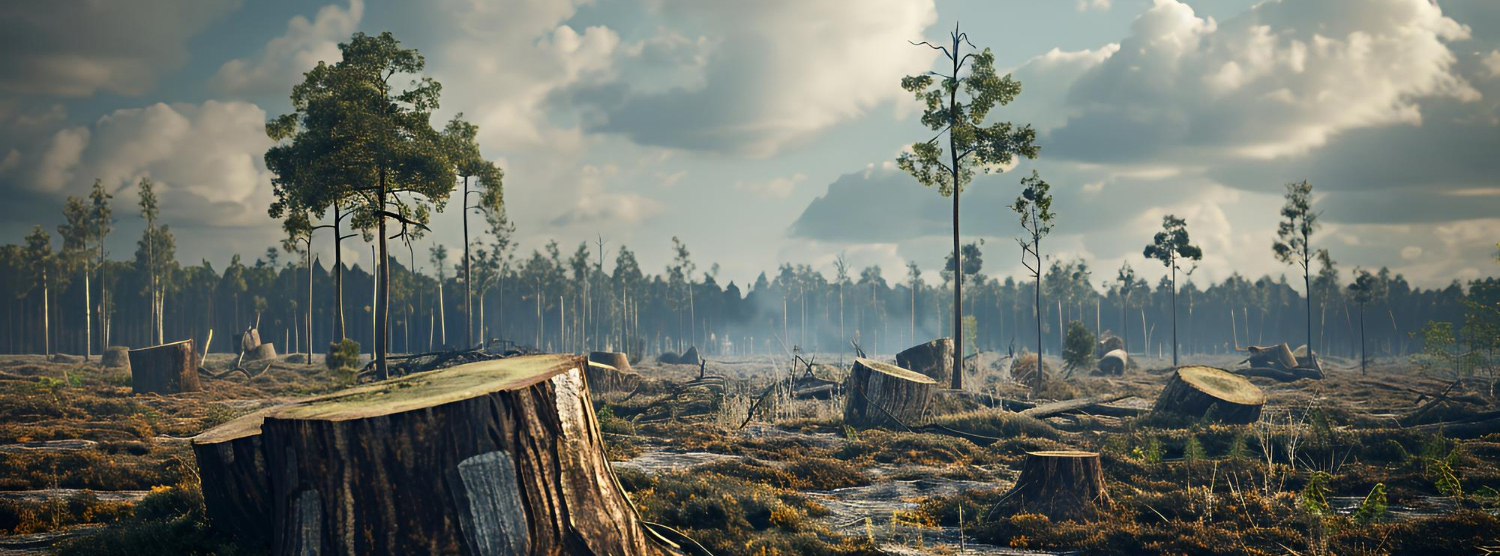
$7.3 trillion in global finance still flows into nature-harming activities. This is the key takeaway for me from the IPBES Business and Biodiversity Assessment, a work authored by 79 experts. How they got so many chefs into one kitchen I don’t know. But they did.
The report was launched this month and shows a dangerous imbalance in global financial flows, confirming that there is more funding which contributes to nature’s destruction than protects it. Approximately $7.3 trillion in global public and private finance each year supports activities that negatively impact nature. $4.9 trillion of that comes from the private sector – so business is the primary culprit here. Sis on us. Fossil fuels and large-scale agriculture are the primary industry culprits.
For some context, only $220 billion, or the equivalent to 3% of the harmful amount, is allocated to nature-based solutions, conservation, and restoration efforts. Other than this being very embarrassing, these facts are the reason we see many systemic issues and growing risk, increasing our chances for crop failures, resource scarcity, and intensified natural disasters.Top of Form
Until good business makes business, we will not see change. How can we make good business ethics profitable?
You can read more here: https://www.biodiversa.eu/2026/02/10/ipbes-publishes-its-business-and-biodiversity-assessment/
ANOTHER ONE IS OVER.
The State of the Nation address has come and gone. It can never be an easy script to write.
My favourite write-up summary is in the link below. What really stands out for me is the confirmation that Industry 4.0 is gone with the wind.
A BUSINESS ON THE UP!
Vumatel officially surpassed one million subscribers in February.That’s the company with the technicians that wear pink. Well done to them!
GRRRRR.
This article really ruffled my feathers, therefore I obviously had to write about it. Our labour market has faced extreme volatility in the past five years, primarily due to the COVID-19 pandemic and ongoing economic challenges – which are plentiful.
We had unemployment rising from 5.2 million in 2015 to an estimated 8.4 million by mid-2025.
In 2025 losses were at 291000 in Q1, and 80000 in Q2, and we had a tiny recovery in Q3. Nearly 400000 domestic workers lost their jobs in the five years ending in 2025!
As of late 2025, the official unemployment rate was 31.9%, with an expanded rate of 42.4%, and youth unemployment remains critically high at 58.5%.
I struggle to celebrate this article which mentions the creation of 1 million jobs, because it still means we are at a net loss. A major one! To those people in that 1 million, blessings on you. Wishing you all the best.
https://www.sabcnews.com/sabcnews/more-than-a-million-jobs-created-over-the-last-5-years-ramaphosa/
ACT.
I want to again share some news on progress for our Climate Change Act, which was signed by our President in July 2024. The legislation is meant to nudge the shift toward environmental accountability, turning voluntary emission targets into a legally binding framework. So what should we be looking out for?
Legal Accountability. The new laws can impose fines and even jail time on executives for corporate violations, making leaders personally responsible for failing to meet Carbon Budgets. Non-compliance can result in fines of up to R10 million or imprisonment for up to 10 years. I wonder what the carbon footprint of a prisoner is?
The two elephants in the room: Eskom and Sasol are major contributors to emissions, so the government is under pressure to balance climate goals while addressing the national energy crisis.
It’s started already. Many don’t know that the EU is imposing taxes on ‘dirty imports’. Our industries need to comply or risk losing market access. While the laws are in place, debates on enforcement remain heated – like global warming.
Companies must start to plan to adhere to Carbon Budgets, report emissions accurately, and meet sector-specific targets by 2030. You can speak with me in this regard; it is a service I facilitate.
MELTDOWN.
Did you know that despite us holding 37% of global manganese, South Africa’s domestic smelting has almost collapsed? This is because of high energy costs. The last active smelter, Transalloys, is in survival maintenance mode, leading to 95% of our Ore being refined in China!
The Steel Industry (ArcelorMittal SA), The Aluminium Industry (Hulamin), The Mining Sector (Platinum & Coal), and Commercial Agriculture (Poultry & Sugar) are all singing from the same hymnal.

COULD BE SAD IN THE COMING YEARS.
One of the things I love the most while driving through KwaZulu-Natal is the sweeping cane fields. It’s sad for me to think this landscape might change in the coming few months. For those of you who didn’t hear, on the 12th of February Tongaat Hulett Limited’s Business Rescue Practitioners filed for provisional liquidation at South Africa’s High Court. This was after the Vision Group rescue deal collapsed due to failed funding negotiations with the Industrial Development Corporation.
This situation poses huge risks to the local sugar sector and obviously threatening the livelihoods of many. One report I read said approximately 15446 small-scale farmers could suffer, we are looking at potentially 250000 job losses across KwaZulu-Natal and Mpumalanga.
Tongaat produces about 27% of South Africa’s sugar. Is China going to process that for us now as well?
SINK IS EMPTY.
The Congo Basin (Africa), the Amazon Rainforest (South America), the Siberian Taiga (Russia), the Hudson Bay Lowlands (Canada), the Tongass National Forest (USA), the Southeast Asian Peat Swamps (Indonesia & Malaysia), and the Sundarbans (India & Bangladesh) are geographical powerhouses as carbon sinks.
While the Amazon has the title for fame, it’s the Congo Basin that is actually the winner. Unfortunately this might be changing with some emerging data that is suggesting that the Congo Basin is losing its efficiency as a carbon sink because of rising temperatures, with forecasts projecting a 14% drop in carbon absorption capacity by 2030.
DEVASTATION AT LEVELS FEW CAN FATHOM.
I am not sure how many of you know, but there has been a severe drought affecting the Horn of Africa, impacting Somalia, southeastern Ethiopia, and eastern Kenya. It intensified late 2025 because of the combined effects of the La Niña phenomenon and a negative Indian Ocean Dipole, both of which reduce rainfall in the region. About 4.6 million people in these three countries are affected and in Somalia alone over 135000 people have been displaced since September 2025. They are literally looking for water and food.
Aggravating things, soil moisture levels have reached historical lows and this is increasing the widespread crop failures and also loss of livestock, like in the Pastoralists in Kenya’s northeastern and southern regions who are reporting having lost hundreds of animals.
The drought has also caused record-high cereal prices and a sharp increase in acute malnutrition among children. Obviously Public health risks are rising, with cholera outbreaks spreading across the region.
The Kenyan government has apparently allocated KSh 4.1 billion for emergency response, and the UN Office for the Coordination of Humanitarian Affairs (OCHA) is coordinating aid efforts in Somalia.
We can expect more extreme weather and Africa is not ready for it.
CONTINUING TO SET AN EXAMPLE.
Namibia is drafting a new Minerals Bill that requires 51% local ownership in new mining ventures. Our neighbour has big plans to become a regional green hydrogen and mineral-processing hub.
What’s the position in South Africa?
Let me break it down into 3 categories.
New Mining Rights. New business applicants must have a minimum of 30% black shareholding. The distribution of 30% ownership must be divided among three groups: 5% to qualifying employees, 5% to host communities, and 20% to BEE entrepreneurs (5% of which should preferably be women).
Existing Mining Rights. Holders of existing mining rights who previously complied with the older 26% threshold are generally recognized as compliant but must top up to 30% within specific timeframes or upon renewal.
Prospecting Rights. As of February 2026, the Minister of Mineral and Petroleum Resources has announced that the requirement for BEE participation (previously 50% +1) has been removed for the prospecting stage to encourage exploration.
LIKE A GOOD RACE?
Starting to wonder if we are in an AI Hardware Arms Race? The ‘Magnificent Seven’ tech giants, including Nvidia and Microsoft are anticipating a 40% rise in capital expenditure this year. Apparently, they plan to invest approximately $650 billion in AI-related infrastructure .. for context that’s more than our entire GDP.
MADE ME SMILE.
The U.S.A Environment might have a champion in the form of courts and this made me smile. Two quick nuggets:
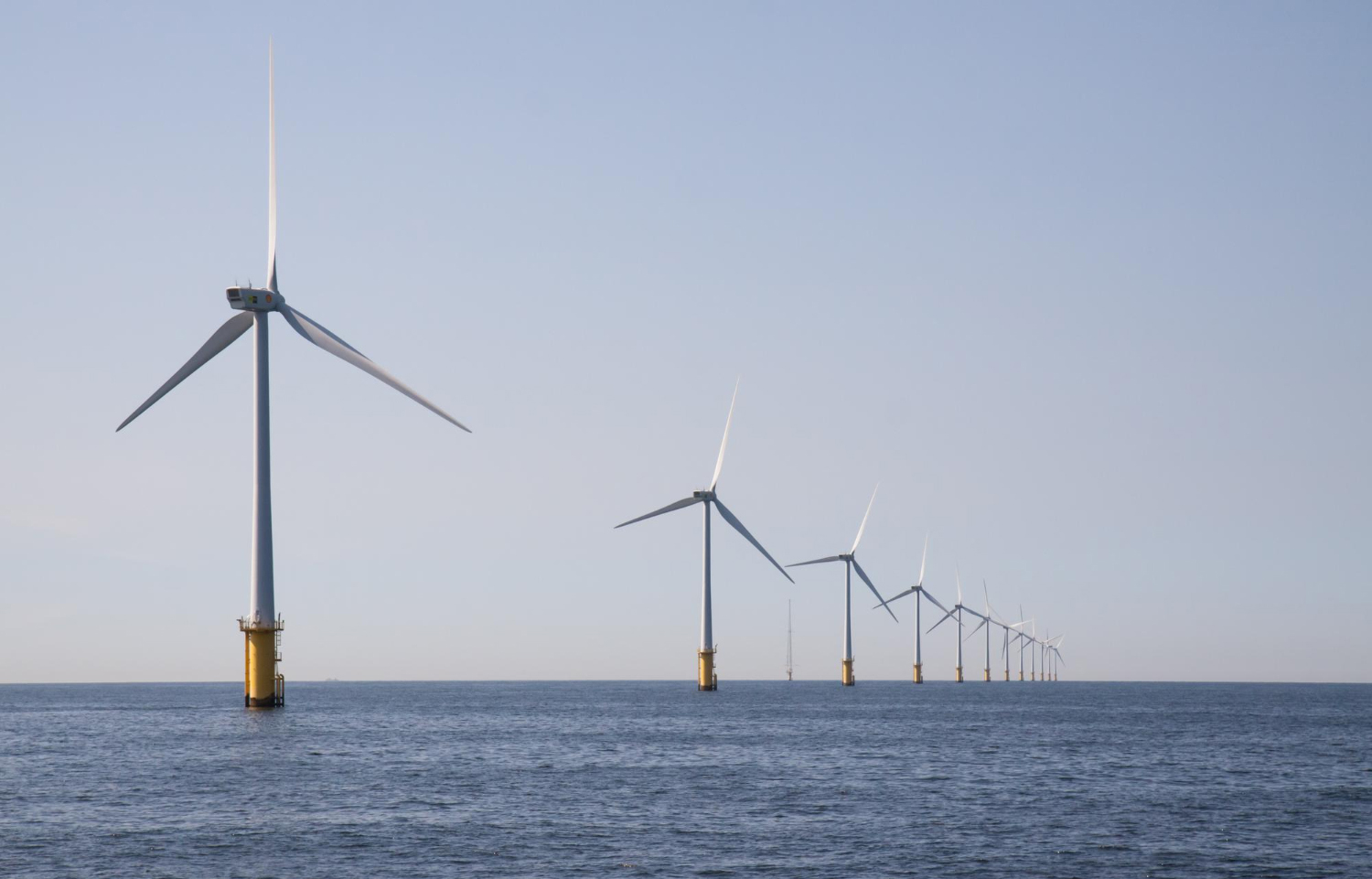
Federal courts are repeatedly issuing preliminary injunctions to block the Trump administration’s attempts to halt offshore wind projects. As of February 2026, all five major offshore wind projects that received federal stop-work orders in December 2025, including Sunrise Wind, Revolution Wind, and Coastal Virginia Offshore Wind, have successfully obtained judicial relief to resume construction. Yaas!
Then, several US states and utility owners are actively challenging emergency orders from the Department of Energy (DOE) that force aging coal plants to stay open past their scheduled retirement dates.
I just love courts and the people who use them to fight for environmental justice!
I DETEST WAR!
It’s a major influence I study. Some news on that front (no pun intended) is that Cyril Ramaphosa has announced this month the withdrawal of around 700 SANDF troops from the UN mission in the Democratic Republic of Congo (MONUSCO) – apparently to realign domestic military resources. (Cape Flats?)
I thought you might also find it interesting to know we have almost 71300 active-duty personnel and roughly 29350 reserve personnel. Their salaries obviously vary based on rank, but a standard Private earns between R13000 and R17000 per month after deductions … not too much. Special Forces which I thought would earn a lot more, only earn around R36000 per month.
NOT A GOOD TIME
It’s not a good time to be sick (not that it ever is), and certainly not a good time to be an enemy of the USA.
The World Health Organization launched a 2026 appeal for humanitarian health assistance, saying that global funding has fallen below 2016 levels while the needs have tripled! They need at least $1 billion to sustain life-saving services. Meanwhile… down the road and in the same block, the Fiscal Year (FY) 2026, for the USA, a grand total national defence budget of approximately $1.01 trillion has been approved. Priorities?
BAD NUMBERS.
Data shows Africa still accounts for 87 million of the 138 million children in child labour globally. This is heartbreaking. Morocco held the Global Conference on the Elimination of Child Labour earlier in Feb, I really hope some actionable steps have been taken.
IT HAPPENS TO US ALL.
But for some, sooner than others. I learnt today of a study done in 2021 which revealed that Johannesburg has one of the lowest life expectancies among cities worldwide, at approximately 56.3 years!
IS IT TRUE?
Is it true that South Africa has set aside over 1 trillion for infrastructure?
Apparently, it is! 😉
I sincerely hope there are safeguards in place that are independent of the government, allowing the government to monitor itself, given track record, it is difficult to give them the benefit of the doubt, and everyone knows, we do not need yet another commission of inquiry to address these issues. So this is what I know so far and can share with you:
South Africa has officially pledged R1.03 trillion ($54.5 billion) for public infrastructure within the three-year Medium-Term Expenditure Framework (MTEF), which spans from 2025 to 2027, so work should already be underway, have you seen some?
This investment has been endorsed by Finance Minister Enoch Godongwana and President Cyril Ramaphosa in early 2025 and 2026, with the aim of transforming the nation into a “construction site” to stimulate economic growth and create jobs. An infrastructure boom I have shared before is one of the best things we can do to kick start our economy.
The funding is allocated among several critical sectors designed to tackle maintenance backlogs and service failures. In the Transport and Logistics sector, R402 billion is allocated, with the largest portion including R93.1 billion for SANRAL road maintenance and R66.3 billion for PRASA rail refurbishment.
Our Energy sector is set to receive R219.2 billion, with a proposed focus on strengthening the electricity grid and extending transmission lines to support new power generation. R156.3 billion is dedicated to Water and Sanitation initiatives, which encompass bulk water resources, dam construction (such as the Polihali Dam), and municipal water services. I don’t believe this is enough to tackle our water crisis.
Substantial resources have also been targeted for social infrastructure, with R101.6 billion in blended finance projects already approved by the Infrastructure Fund for health and education facilities.
To ensure that this trillion-rand commitment translates into actual progress (aka not disappear or stollen), the government has introduced essential reforms. In June 2025 a new Public-Private Partnership (PPP) regulation is meant to simplify approvals for projects worth less than R2 billion, apparently helping to reduce bureaucratic hurdles and red tape.
The government is also launching ‘innovative financial instruments’, including a R15 billion infrastructure bond and a R2 billion Credit Guarantee Vehicle, which aim to mitigate risks for private investors. Furthermore, by March 2026, a new Infrastructure Finance and Implementation Support Agency is set to be established, coordinating the planning and preparation of major projects.
As of January 2026, the government reports that 34 out of 50 major strategic infrastructure projects are already in the implementation phase. Hoping for the best!
WE HAVE TIME VAULTS WITHIN US!
Some clever researchers at the Broad Institute of MIT and Harvard have developed a new cellular storage system called TimeVaults. It utilises modified structures known as vaults to store messenger RNA (mRNA) molecules that reflect past cellular activities.
How does it work? The TimeVaults work by engineering vault proteins to recognise and capture mRNA molecules produced within a cell, triggered by a drug treatment. This setup successfully in tests stored a portion of mRNA for at least a week without affecting the cells’ behaviour.
The advancements signify a major step in the efforts to document cellular histories and unlock previously inaccessible biological information.
Can we read messages from the past or send messages into the future with this, like in that movie The NoteBook?
Unfortunately not. Not yet anyway; after all, never say never. There is scientific significance, though. TimeVaults have the ability to track a cell’s history, linking past behaviours to future outcomes, which is a major advancement over traditional methods that only capture a single “snapshot” of a cell’s current state. A notable application was seen in a 2026 study where researchers utilised TimeVaults to identify “persister” cells, which are for those of you who didn’t know (like me at one point) rare lung cancer cells that survive treatment without genetic mutations for resistance. Now that is perhaps very helpful knowledge yes? These clever people during their analysis discovered new drug targets to combat these resistant cells.
TimeVault system minimally alters cell’s normal behaviour, shape, or size, which I understand makes the entire solution an effective and reliable tool for investigating sensitive biological processes such as stem cell differentiation and stress responses. Top of Form
That’s it, we have spent enough time on this subject.
THE FIRST SUM
I have some news on the potential origin of math. Some clever archaeologists have made a discovery regarding Halafian pottery dating back 8000 years.
The pots feature floral designs with petal counts arranged in precise geometric sequences of 4, 8, 16, 32, and 64. What this proposes to suggest is that early Mesopotamian societies possessed mathematical thinking long before the advent of written numerals.
Does this mean math preceded written word? The logic goes that the patterns, frequently depicted within checkerboard grids, suggest a sophisticated understanding of concepts like doubling, symmetry, and structure. One could reckon that if true, and there is certainly a high probability of truth here, that early farmers had mathematical knowledge millennia before formal written mathematics emerged.
Or perhaps, it was just the wives and girlfriends keeping track on who got more gifts from their partners, and from that, the birth of Valentines Day materialized? You can find the study in the Journal of World Prehistory.
HEAVY LIFTERS.
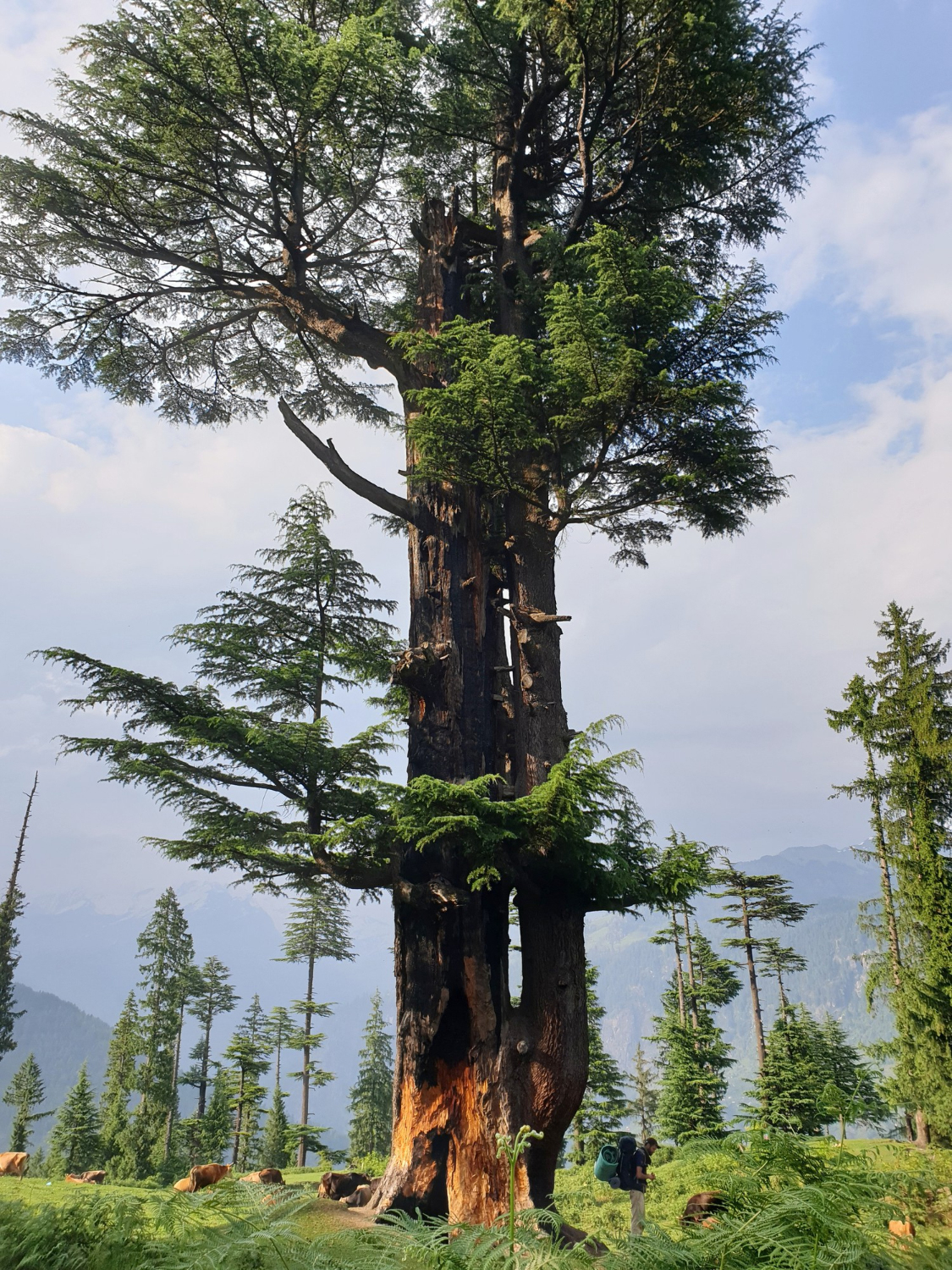
Trees are the heaviest living groups of things on Earth. There is one tree that weighs 2000 tons!
Trees are literally the most dominant living things on Earth and this penny didn’t drop until I watched this video. The information about roots is especially fascinating and has convinced me that trees are genuinely intelligent. Get a coffee, and press play – it’s a good video: https://www.youtube.com/watch?v=pHJIhxZEoxg
STILL NOT!
The internet in 2026 is still unfortunately not free and government have control over the information we see and I think it is totally unacceptable!
You probably missed this article:
https://www.connectingafrica.com/connectivity/uganda-shuts-down-internet-ahead-of-elections
Uganda’s general elections on the 15th of January 2026 saw the government order mobile operators and Internet service providers to shut down public Internet access, and also stop new SIM card registrations, and disable roaming calls! This foul directive was by some proposed to help prevent misinformation and ensure security during the election period. If you accept this reasoning, then you are unfortunately sheep for wolves.
According to the Uganda Communications Commission (UCC), only essential services, such as banking and government platforms, would be allowed to have connectivity through dedicated IPs or private circuits.
Uganda has a history of imposing Internet shutdowns during elections, having previously shut down access for over 100 hours in 2021. Other African nations, including Tanzania and Mozambique, have also dabbled in similar shenanigans during election periods, reflecting a pattern of Internet restrictions across our continent to maintain control. It is not just happening in Africa.
In 2026, the global landscape of internet freedom shockingly continues to decline, with only 18 countries classified as ‘Free’ according to the Freedom on the Net 2025 assessments. Only 18! How shocking is that?
The countries classified as having high internet freedom generally experience minimal government censorship, robust legal protections for online expression, and few access obstacles. Iceland and Estonia lead the world in digital freedom, while China and Myanmar are noted as the most restrictive environments.
Iceland consistently ranks first globally with a score of 94 out of 100, attributed to near-universal access and minimal content restrictions. Estonia follows closely at second place with a score of 91, recognized for its advanced digital infrastructure and absence of political censorship. I really do need to visit Estonia!
Other notable countries (and their scores) in the ‘Free’ category include Chile (87), Costa Rica (86), and Canada (85), along with the Netherlands (84), Taiwan (79), Japan (78), France (76), the United Kingdom (76), and Germany (74). The USA and SA… are on a 73.
Countries with little or no internet freedom use ‘Great Firewalls’, pervasive surveillance, and severe penalties for online dissent. China and Myanmar tie for the worst global record at 9 out of 100, with China enforcing strict regulations and Myanmar facing military-imposed censorship.
Other restrictive environments include Iran (13), Russia (17), and Nicaragua, which was recently downgraded from ‘Partly Free’ to ‘Not Free’ due to escalating repression. Countries like Belarus, Saudi Arabia, Cuba, Vietnam, Egypt, and Ethiopia also rank among the least free.
If you are to use current trends and extrapolate from that for the years of 2025 to 2026 so far, one could say we are seeing a troubling decline in democracies, with half of the “Free” countries experiencing score declines by late 2025, including Georgia, Germany, and the United States. Kenya saw the most significant drop due to internet shutdowns and arrests related to protests during 2024-2025.
So, it begs the question (or it should), how do we get to the point where internet freedom is truly free? I have a few opinions here.
Achieving global internet freedom requires determination, bravery, future thinkers and change champions in a coordinated effort across all realms of society tackling policy, technology, and civil society to change the trajectory we are heading. Here are some ideas if I may:
Legislative and Policy Reforms. Governments, particularly in democracies, must establish legal frameworks that prioritize human rights over state control. In fact the state of control is out of control. I propose adopting a “Whole-of-Society” approach to foster a diverse information space through the Global Declaration on Information Integrity Online. It really do think its essential to enact mandatory human rights due diligence laws requiring tech companies to conduct assessments before deploying tools that could be misused for repression, such as AI or surveillance software. Governments should not be allowed ‘back door’ options that weaken end-to-end encryption, which is vital for the safety of activists and journalists. Creating an interoperable privacy regime by establishing international standards for data protection will allow our information to flow across borders while safeguarding individual privacy.
Corporate Accountability and Resistance. Private companies often serve as the ‘gatekeepers’ of internet freedom and must resist overreach. In fact, if we can, it must become very unprofitable if they do. They should use all available legal channels to challenge government orders for internet shutdowns or arbitrary content removals – and if possible, make such court challenges less costly for them. Transparency reporting is crucial; and companies could regularly publish detailed reports on government requests for user data or takedowns to expose state pressure! Furthermore, embedding ‘rights by design’ in next-wave technologies, such as Sovereign AI and Satellite Internet like Elons Musk’s Starlink (yes I dare suggest that!), are so very essential. These technologies should have built-in safeguards for free expression and privacy from the earliest stages of development – and no one political or capitalist individual should be allowed to hold keys.
Technical Solutions and Digital Literacy. This is where we all come in. While policy changes may take time, technical tools can provide immediate protection for users in restrictive environments. Sharing my articles is another good idea? Supporting open-source, user-friendly tools like VPNs, Tor, and advanced proxy platforms (e.g., V2Ray/XRay) can help bypass ‘Great Firewalls’. Just please try not to get arrested or fined if you can avoid it. Expanding satellite internet options, like Starlink (yes I dare propose it again), to rural and war-torn areas can provide connectivity that is more difficult for local regimes to shut down.
Enhancing digital literacy through civic education and training will empower us to identify disinformation and navigate digital surveillance. I do a lot of work in this realm as well. One of the biggest things we can do as consumers, is pick our service providers wisely, and if it costs a little more to use a business that aligns with ethical standards, then look at it as an investment in freedom.
International Cooperation. This is a tall order in 2026 I know. Strengthening multilateral bodies, such as the Freedom Online Coalition (FOC), is vital to coordinate diplomatic responses to internet shutdowns and the export of surveillance technology. Increasing financial and technical support for civil society can aid human rights defenders in developing anti-censorship tools and providing on-the-ground advocacy.
Finally, (shoh this is a long nugget) moving toward universal internet access as a fundamental human right, as advocated by the United Nations and international NGOs, is essential – and yes, it is declared to be a human right… and just like so many, there are those who chose to ignore this!
LOVE THIS!
Guys, Girls and in-betweens, look at this flippin’ awesome venue for hire!
https://utte.co.za/urban-think-tank-empower/soweto-caracas-community-centre/
I stumbled across this in my studies this month. The Soweto-Caracas Community Centre is in Khayelitsha and opened in November 2024 as part of the ‘Empower project’ by Urban-Think Tank Empower (UTTE). The building is a 320-square-metre multifunctional hub to support social and economic activities.
The building has:
- Multi-Purpose Sports Hall: A versatile space for soccer, netball, and community events.
- A beautiful Rooftop Urban Farm: A greenhouse for growing produce and an aquaponic fish-harvesting system. Num num.
- Education & Childcare spaces, facilities for a creche, classrooms, and after-school programs for about 100 children.
- Economic Hub: An internet café, community kitchen, and co-working spaces.
- It has Sustainable Infrastructure: Operates off-grid with a solar system powering the center and surrounding area.
How cool is that!
The centre looks amazing with vibrant yellow walls and a red-steel sawtooth roof. Apparently, over 50% of labour was sourced from the local community for construction. It supports a broader development that includes 72 housing units, aiming to improve living conditions while respecting existing residents.
I bet you had no idea such amazing things were happening!
The END!
HUNGRY FOR MORE NUGGETS?
But wait, there is MORE!

Who is Jean-Pierre Murray-Kline?
Jean-Pierre is a South African serial e-entrepreneur, published author, and change champion who has worked in over 300 types of industries in some capacity or another. His own online businesses have generated millions of Rands and involved sectors such as law, web & app development, events & entertainment, property, technical services, media, and tourism.
He has traveled to over 180 cities worldwide and is extremely active as a business and environmental technologist. In addition to his own projects, he researches and consults on all things online: marketing, reputation, compliance, law, and e-security, and also offers strategy workshops and scenario sessions on future thinking with a key focus on technology, the environment, and global influences.
Jean-Pierre is often asked to be a guest speaker on a variety of subjects he continuously studies and writes about.
Disclaimer:
- While I attempt to ensure information is accurate and up-to-date at time of publication, I will not accept liability should information be used, and found to be incorrect. If you do see an error, please let me know.
- The links, images, videos and/ or text from this article are not necessarily under my direct management, ownership or care. Should you be the owner or manager of any content herein, and wish for the content to be removed, please let me know and it will be done.