
NUGGET (31 MARCH 2026)

Nuggets! (Bite size updates on the real important stuff related to Tech, Trends, Business and the Planet.)
DON'T LIKE TO READ?
WAY OUT THERE
Let’s start with some spacey news! So, as it so happens, there are a few technology and aerospace companies planning space-based data centers to bypass Earth’s land, power, and cooling constraints. Very clever! As of this month, March 2026, the industry has transitioned from theoretical studies to multi-billion dollar infrastructure investments and regulatory filings for massive satellite constellations are underway. So what’s the tea?
Well, SpaceX, in collaboration with xAI, has filed with the FCC to launch a constellation of up to one million orbital data center satellites following their merger in early 2026. (Why don’t we just roll out the red carpet for the Kessler Syndrome effect?)

Then there is Google, through its Project Suncatcher (such a rad name!), which intends to launch two prototype satellites by early next year in partnership with ‘Planet.’ These prototypes will test Tensor Processing Units and free-space optical (laser) links in orbit.
Blue Origin is also busy, and they have filed plans for a constellation of 51600 AI satellites designed to operate in sun-synchronous orbits.
The drive to build data centers in space is due to the terrestrial constraints (and no doubt laws) that ‘complicate’ scaling AI technology on Earth. A data centre in space will save money for businesses in the long run. The advantage of operating in space is energy availability because of the constant 24/7 solar energy. The vacuum of space also permits passive cooling, eliminating the costly need for massive water and electricity consumption required by our Earth-based cooling systems. The future is space, everyone; I keep telling you
FINTECH
It looks like we might be getting a vertically integrated fintech platform! YAY! But what is that you ask? Well, a vertically integrated fintech platform is meant to be a financial technology company that offers a wide range of financial services through its very own systems, without depending on outside companies.
It should be able to handle everything from creating financial products like loans and payment services to managing the technology and customer interactions. Such a business is meant to be able to lower costs, improve efficiency, and provide a better experience for us.
It was therefore big news for me to learn this month about the acquisition of Bank Zero by Lesaka Technologies (https://lesakatech.com/ – formerly Net1) for approximately R1.09 billion. That’s a lot of moola! So, what’s underway?
The deal is apparently being settled through a combination of approximately R1 billion in newly issued Lesaka shares, giving Bank Zero shareholders a ~12% stake, and up to R91 million in cash. By moving its lending books into Bank Zero, Lesaka aims to fund loans using customer deposits rather than expensive commercial bank debt. Very clever as well!
Their strategy is expected to reduce Lesaka’s gross debt by over R1 billion.
Lesaka gains an operational banking license and a modern, app-driven digital infrastructure that is unburdened by legacy banking systems. They get to offer a full suite of banking services to its 1.9 million consumer customers, many of whom are underserved, and 120000 merchants.
I thought I might also share a little on what sets them apart? Well, they are a digital-only mutual bank that already offers a unique zero-fee model and advanced security features. Unlike traditional banks, Bank Zero doesn’t charge monthly fees for personal or business accounts, and it provides free basic transactions such as Electronic Fund Transfers (EFTs) and card purchases. It’s got patented security protection against card skimming and mandatory in-app authorization for online purchases, presumably helping to ensure safer transactions. Bank Zero also innovates in business banking by offering the same fee-free structure for businesses, allowing for digital approval processes and direct integration with Xero Accounting. Bank Zero’s website and app can be accessed here: https://www.bankzero.co.za/.
RETURN TO SENDER
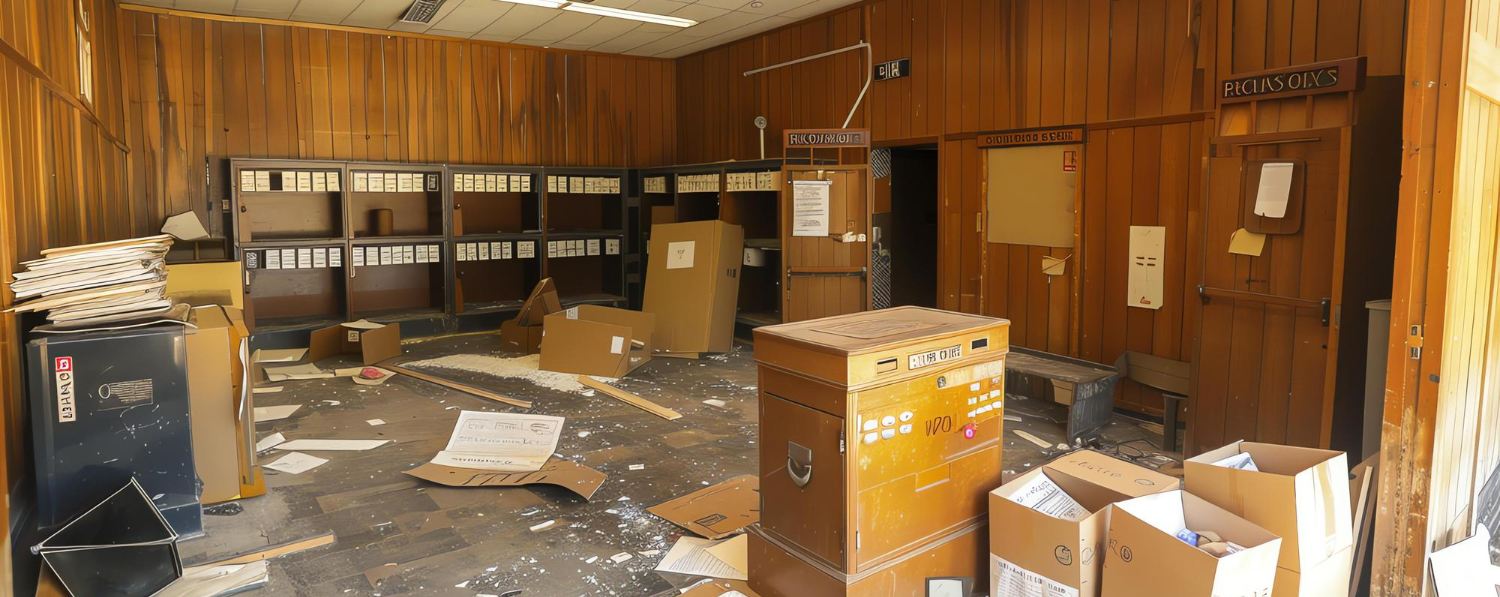
The South African Post Office (SAPO) is facing imminent liquidation. No surprise for me that this has sparked opposition from trade unions… but not so much from the customers of SAPO? Why do you think that is?
This news made me think back to my interview for the Parliamentary oversight committee of ICASA. In that interview, I was asked how to save SAPO. In short, I said it cannot be, and should not be, but we do need a service to fill the gap. I never got the job…
Back to this story. The Business Rescue Practitioners have formally notified the Minister of Communications, Mr. Solly Malatsi, of their intention to file for the entity’s winding-up, stating that without an additional R3.8 billion bailout from National Treasury, they are legally obliged to liquidate the company. I wonder when last Solly has used the Post Office, and do you think the Business Rescue Practitioners used the Post Office to send the notice?
Meanwhile, the Congress of South African Trade Unions (COSATU) and the South African Federation of Trade Unions (SAFTU) are saying there are going to be job losses all around if the liquidation goes through, between 4875 to 7000 workers. I would like to poke the bear here…
If trade unions keep losing members due to companies closing, primarily due to corruption, automation, and future trends, what are they doing to help their members prepare for future jobs, improve the sector they rely on, and stop looting? I suspect not enough…
Unions are a business. If they don’t evolve soon, they may also become a Post Office case.
THE BLUE DEATH
Cholera cases across Southern Africa during the first part of this year have been awful! As of early March, the World Health Organization has reported that cases in the region rose by over seven times compared to the same period in 2025. What is odd is that the rest of Africa has experienced a decline.
So, what is going on? Well, the surge is attributed to a ‘perfect storm’ of environmental and infrastructural failures. Infrastructural failures increase our health risks… never forget that and connect the dots the next time you drive through Johannesburg, please.
Southern Africa has experienced severe flooding and cyclones, some describe as among the worst in decades, which have displaced over 1.3 million people across the region. That is a lot of people, comparable to the populations of Kigali, Aba, Maputo, or even all of Gqeberha. Imagine an entire city having to pack their bags…
Floods have devastated critical water and sanitation (WASH) systems. In Mozambique, which accounts for roughly 90% of the region’s cases, more than 181000 homes and hundreds of health centers have been affected. We need to prepare for more extreme weather events, or we risk sacrificing health.
COMPLAIN MUCH?
Do you ever feel like you complain too much? I do. (and people on hellopeter.com do too!)
So, I decided to write a little something that is just sunshine and butterflies!
It would appear, based on the early parts of this year, that South Africa might be on the verge of some significant environmental greatness! So what’s in the works?
Well, by the end of this year, we can anticipate an extra 5500 megawatts (MW) of renewable energy added to our national grid, amplifying Mzansi’s clean energy capacity. We can also hope that the Department of Electricity and Energy sticks to its plan to unveil official guidelines to stimulate South Africa’s offshore wind sector, hopefully paving the way for harnessing this abundant resource, perhaps smooth sailing!
In spite of our ongoing challenges (an understatement if ever there was one) related to water, 2026 appears to be the year of water resilience or at least awareness. For example, I have heard that some local municipalities are adopting data-driven management strategies, incorporating smart meters that provide real-time leak detection and help minimize water waste. These things must be flashing faster than a strobe at a trance party! Of course, the basics need to be addressed before anything else. There is a R2 billion initiative underway to refurbish the Apies River in Pretoria, addressing long-standing pollution concerns and enhancing the natural ecosystem, so that’s really good news!
Then, our country’s commitment to wildlife conservation continues to be a source of pride for us all… if we focus on some of the good. Did you know about the Garden Route Leopard Conservation Project? Well, it has just been launched and is all about safeguarding these majestic animals.
We have also reached a significant milestone with the bontebok recovery program. Once dwindling to just 17 animals in the 1930s, their population now exceeds 10000! See, we can turn things around!
In March, South Africa also earned recognition for its leading role in Antarctic and Southern Ocean science, surpassing many elite global institutions in climate-related ocean research. Well done!
Remember, environmentalism starts at home… and you carry it everywhere you go.
AI LAW UPDATE
The EU AI Act reached an important enforcement milestone back on the 2nd of February 2025, but I am only getting to this now. The first set of bans on AI systems deemed an ‘unacceptable risk’ became legally binding across all 27 EU countries. As of now, these bans have been in place for over a year. So what has happened?
The European AI Office (https://digital-strategy.ec.europa.eu/en/policies/ai-office) is now focusing on active market checks and preparing for upcoming deadlines for other regulated AI systems. Several AI practices that threaten fundamental rights are now strictly banned. No go zones!
Real-time biometric surveillance, like using things like facial recognition in public places for law enforcement, is strictly prohibited except in very narrow situations.
Systems that score us humans based on our social behaviour (social scoring) are also banned.
AI that is used to manipulate people’s behaviour by exploiting vulnerabilities, such as age or disability, or uses subliminal techniques to cause harm, are not allowed either.
Also good to know is that AI that sorts or labels people using sensitive information (for example, race, political beliefs, or sexual orientation) is totally forbidden.
To enforce these bans, the EU has set very strong penalties. For example, companies that break the rules can face fines up to €35 million or 7% of their global annual turnover, whichever is higher.
Do we have something like this in South Africa? Well, right now we do not have a single overarching AI Act like the EU. Instead, our government is moving from high-level principles toward formal regulation using a middle-of-the-road approach, in other words, relying on existing laws and sector-specific guidelines rather than one sweeping law. I do think we will get a sweeping law one day.
Our Department of Communications and Digital Technologies (DCDT for short) is developing a Draft National AI Policy which is meant to be published soon for a 60-day public comment period. The policy is meant to be finalized in the 2026/2027 financial year, with enforceable regulations expected from 2027/2028… But I am almost certain this will be pushed back.
Another nugget to know is that rather than creating a new single AI regulator, oversight will probably be shared among existing bodies like ICASA, the Competition Commission, and the Information Regulator. I think this is a mistake. But to err is human.
DRIP DRIP
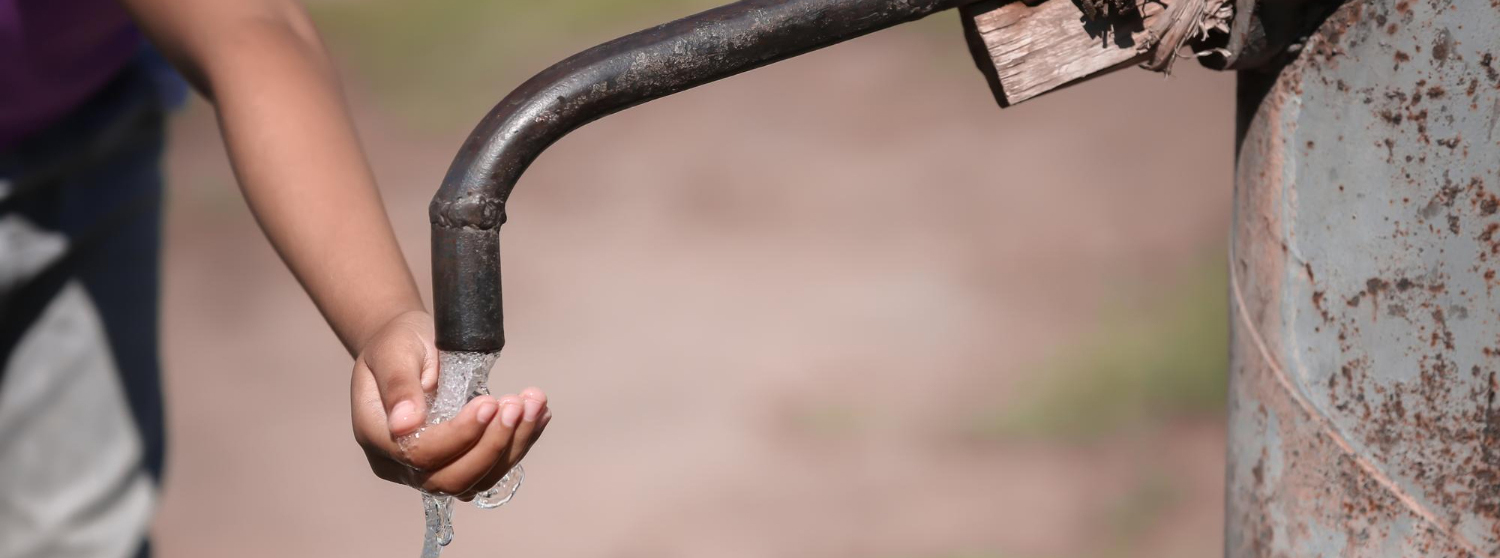
South Africa now has a National Water Crisis Committee (or NWCC for short).
Hold the applause, please, for a little while anyway.
The NWCC is chaired by President Cyril Ramaphosa, who must be rushing with his committee members to finalize the anticipated Water Action Plan, which is expected to be ready by mid-March, and that has come and gone and its not available yet.
So, what updates can I offer you? The government has announced a R54 billion incentive for metropolitan areas aimed at reforming and repairing water, sanitation, and electricity infrastructure. More than R156 billion has been earmarked for water infrastructure improvements over the next three years.
For Gauteng, the Minister of Water and Sanitation has granted Rand Water a temporary three-month water use license to extract an additional 200 million liters per day from the Vaal River System. On this point, I want to share some concerns, because 200 million liters per day is a substantial amount that poses both immediate and long-term risks to our Vaal River System. I am genuinely worried about the ecosystem’s health, but again, humans take priority. We must remember that the river is already classified as ‘over-allocated,’ which means that its commitments to users, including cities, schools, hospitals, businesses, mines, and farms, far exceed the sustainable water supply. In other words, we are borrowing from the future. Our poor children!
Our Deputy President Paul Mashatile also had something to say, confirming on 6th of March that long-delayed grant-funded projects are being prioritized for expedited completion to improve system reliability. Does this mean a flood of tenders, but not a flood of water?
One nugget of news I did like was learning about the proposed new licensing requirements for water service providers and that criminal charges have already been filed against 56 municipalities for ongoing service failures. (We must remember who pays for the municipalities’ legal bills.)
Side nugget: On 12th of February, the South African Human Rights Commission (SAHRC) officially urged for water outages to be classified as a National Disaster. Someone needs to take the SAHRC to court for failing their mandate here; they ignored my application entirely!
KUSHUSHU.
It’s autumn at the moment, but look at the temperature in my car! Geez! Perhaps this is a good time to discuss a few things – some hot topics, excuse the pun.
In the first quarter of this year, the Southern Hemisphere has been experiencing extreme environmental stress due to the convergence of long-term human-induced warming (climate change denialists, please stand up) and specific regional climate drivers.
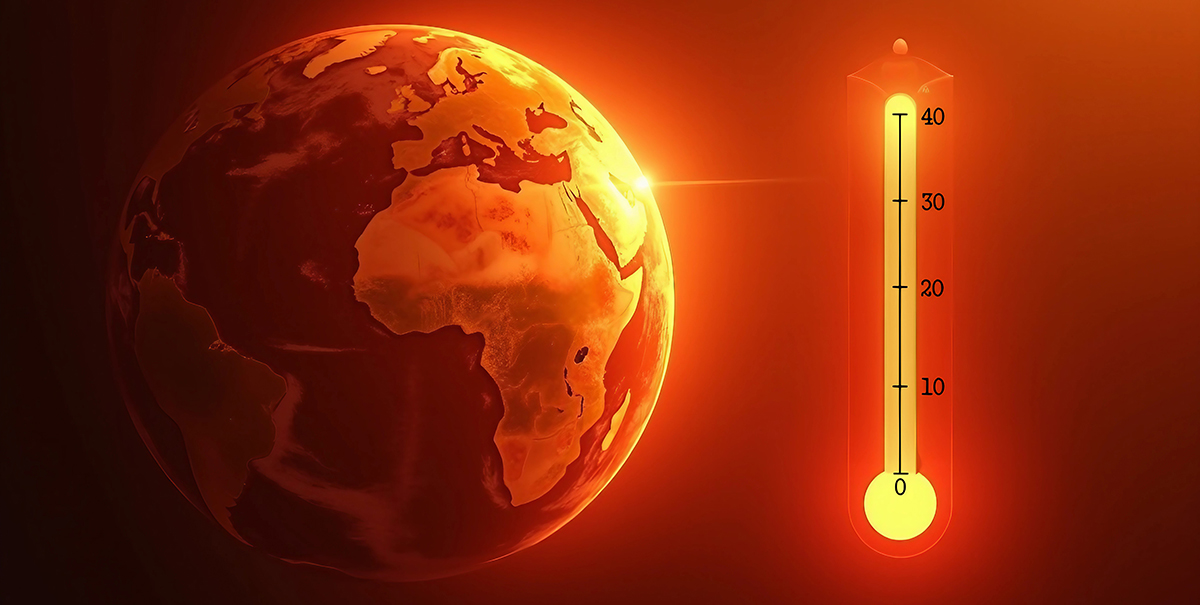
The extreme heat has led to severe wildfires across a few regions. In Australia, late January, they had record-breaking heat, particularly in Ceduna, where temperatures hit 49.5°C! Can you even begin to imagine that! Vinyl records, varnish, and adhesives start to melt at these temperatures! Condoms, especially those made from latex, become compromised at 49.5°C… think about the consequences!
Then in Chile, a ‘state of catastrophe’ was declared in the Bío Bío and Ñuble regions. There, over 75 fires were exacerbated by strong winds and drought conditions, resulting unfortunately in at least 21 fatalities and the evacuation of tens of thousands of residents. In Patagonia, Argentina, they faced forest fires, and their prolonged drought combined with temperatures exceeding 38°C were just never going to work out well.
NOT FEATURING ANYMORE?
Worried about your business not appearing on Google AI Search? Does that AI chatbot know nothing about your business? Then you need to chat with me about AEO and GEO… and I am not just making up a bunch of letters here. Here are the service overviews and explanations:
Answer Search: https://www.jeanpierremurraykline.co.za/answer-engine-optimization-aeo-expert/
Generative Search: https://www.jeanpierremurraykline.co.za/generative-engine-optimization-geo-expert/
ONE FOR MOTHER NATURE!
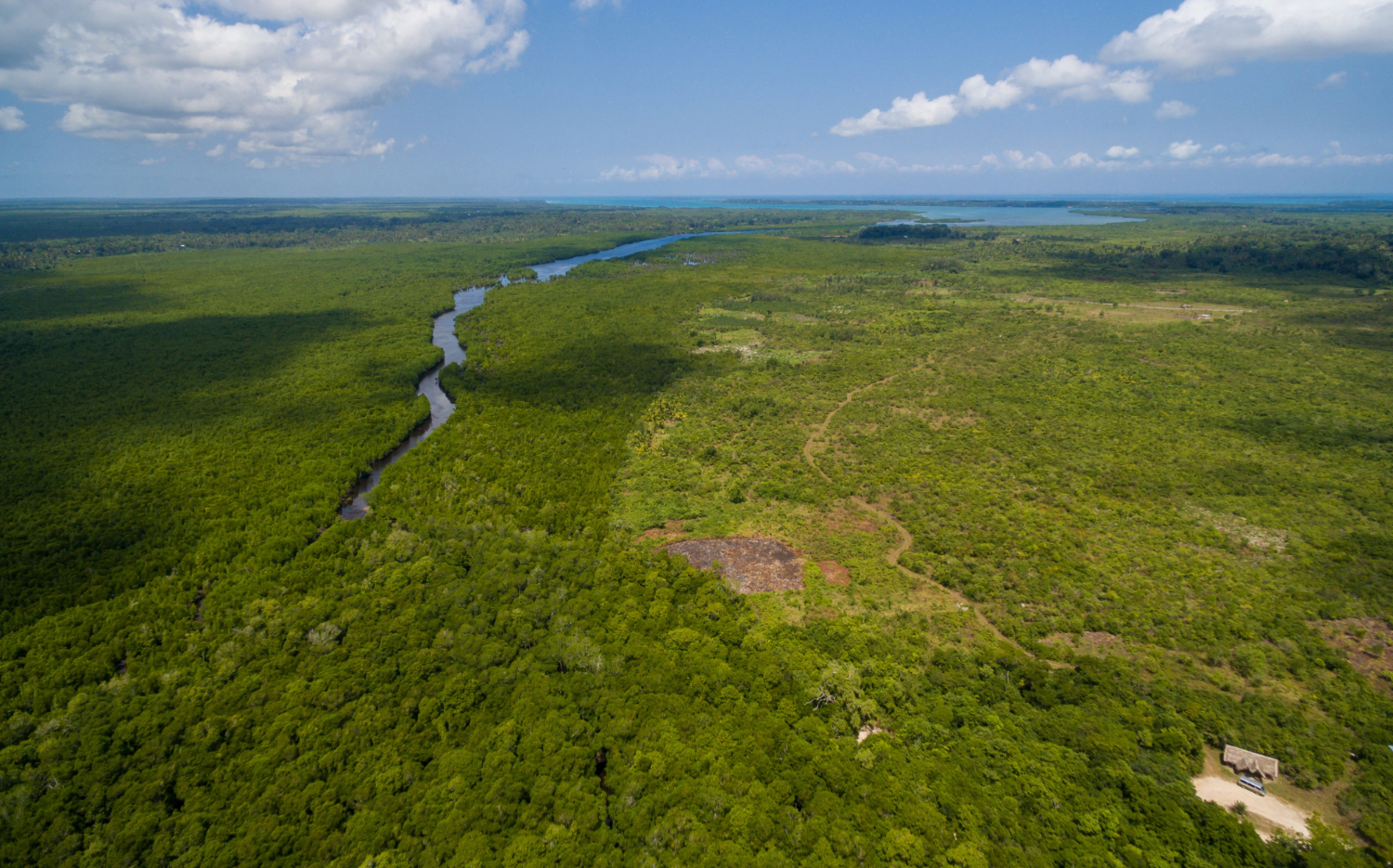
There has been a recent win for Mother Nature! On 02/26/2026, the Environment and Land Court in Kenya double‑quashed all licences for commercial developments in the Miotoni Block of Ngong Road Forest — ruling the approvals void for skipping public participation, issuing flawed EIAs, and misusing special‑use permits for private profit.
The court has ordered full ecological restoration at the developers’ cost, permanently barred reissuing those licences, and reinforced Article 42 as an enforceable right.
Again, I thank the courts and those who use them for good!
NOT A NICE PART OF MY JOB.
There is a trend I have not touched on and think I will today, as it again was covered in some of my studies this month. It’s unfortunately not a nice trend to report. For some time now, there has been an ever‑increasing surge in guns becoming the leading weapon in the murder of women in South Africa. Roughly 83% of femicide victims are attacked by their partners and killed with a firearm, often a licensed weapon. Current statistics for 2024–2025 reveal a grim daily toll, with an average of 15 women murdered every day in South Africa. Sickeningly, there has also been a 58–66% increase in new gun‑license applications since 2016, which some experts link to the growing pool of firearms that eventually enters the illegal market.
The END!
HUNGRY FOR MORE NUGGETS?
But wait, there is MORE!

Who is Jean-Pierre Murray-Kline?
Jean-Pierre is a South African serial e-entrepreneur, published author, and change champion who has worked in over 300 types of industries in some capacity or another. His own online businesses have generated millions of Rands and involved sectors such as law, web & app development, events & entertainment, property, technical services, media, and tourism.
He has traveled to over 180 cities worldwide and is extremely active as a business and environmental technologist. In addition to his own projects, he researches and consults on all things online: marketing, reputation, compliance, law, and e-security, and also offers strategy workshops and scenario sessions on future thinking with a key focus on technology, the environment, and global influences.
Jean-Pierre is often asked to be a guest speaker on a variety of subjects he continuously studies and writes about.
Disclaimer:
- While I attempt to ensure information is accurate and up-to-date at time of publication, I will not accept liability should information be used, and found to be incorrect. If you do see an error, please let me know.
- The links, images, videos and/ or text from this article are not necessarily under my direct management, ownership or care. Should you be the owner or manager of any content herein, and wish for the content to be removed, please let me know and it will be done.