
A BEDTIME STORY FOR US ALL
DON'T LIKE TO READ?
The first beginning.
The universe is probably a little older than 13.8 billion years. Around 200 million years after its birth, stars were born (with gravity compressing matter), and within them, new elements were made through the process of nuclear fusion. Earth itself is about 4.54 billion years old.
Our solar system (the space where our planets live around our sun) at the time of its infancy, was a lot of dust and gas made up of wet and dry particles. Generally speaking, particles within our system dispersed based on their liquid content.
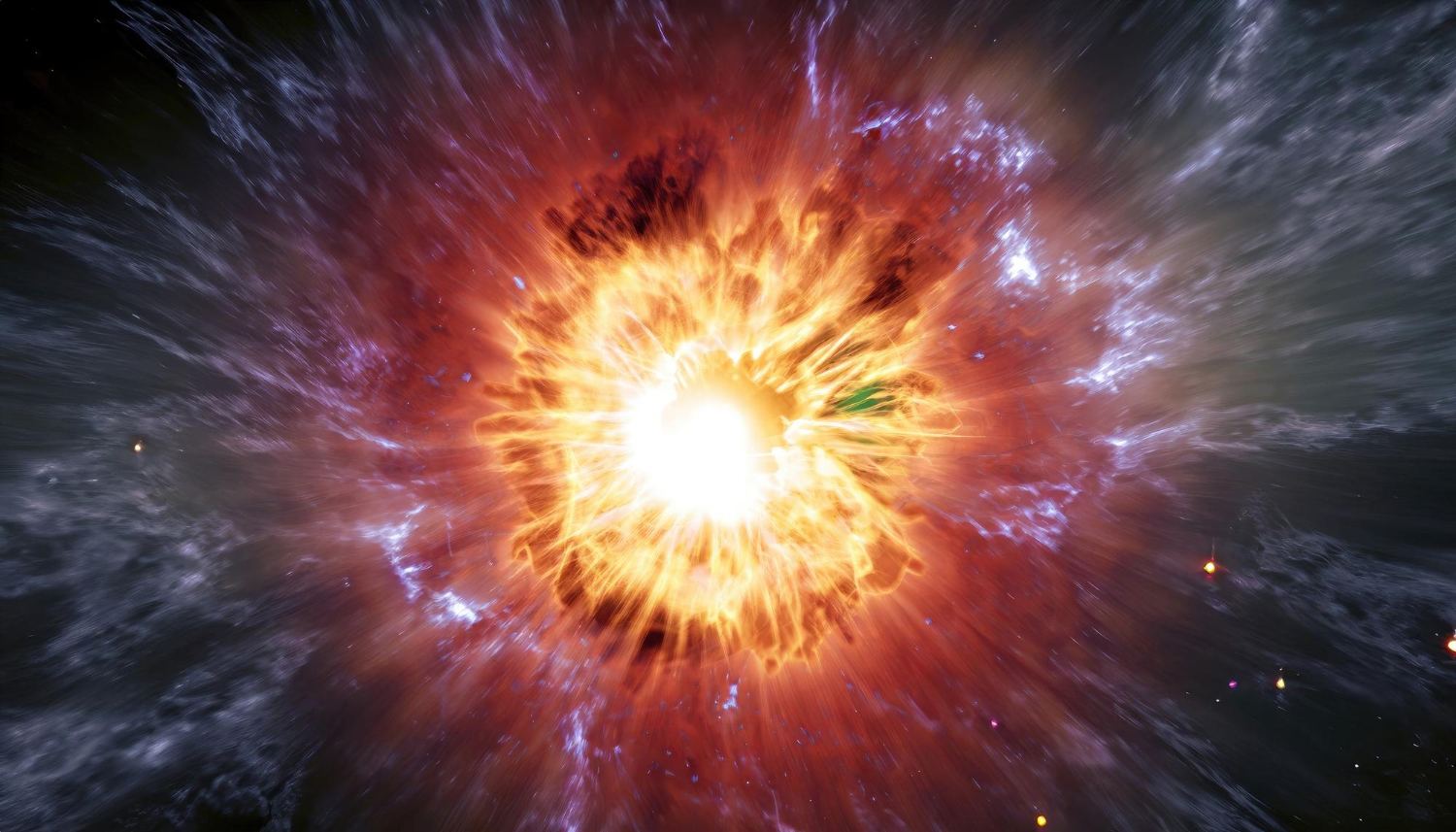
Particles collided, and many stuck to one another. Over a lot of time, these blobs of mass became very large and formed planetesimals. Planetesimals spent many years smashing into one another, and those that combined grew into planets and moons. Planets spent more time colliding with one another as well, and that is how our moon was formed, which involved a Mars-sized planet colliding with (back then) a smaller Earth. The majority of debris helped grow our planet’s size. The remaining bits formed our orbiting moon.
The most recent additions to orbiting objects around our planet are 3300+ active satellites, but we have also created a lot of space junk (broken satellites and fragments of rockets). There are about 34 000 pieces of debris larger than 10 centimeters and 900 000 pieces between 1 and 10 centimeters. It’s a massive problem, and if we are not careful, it’s going to be hard to leave the planet because you will inevitably crash into something and undoubtedly blow up and die. Have you heard of Space-Track.org? You can use this resource to monitor what is above our heads right now. I digressed, let’s get back on track and down to planets.
There are eight “classic” planets and five dwarf planets in our solar system. There are arguments amongst clever people for a 9th planet and strong opinions on as much as 20 planetesimals.
Most planets are believed to have all formed more or less the same time, which was not long after our sun was born. It is believed that Earth is one of the youngest planets, and Jupiter is the oldest (in our solar system). During its toddler years, our planet and moon continued to be bombarded by planetesimals, and these helped create the atmosphere and ocean on Earth around 4.3 billion years ago. Eventually, we had our first rains, and with it, came erosion.
The land and ocean back then were hostile. The sea had a layer of CO2 floating above an H2O layer. Around 4.2 billion years ago, our planet had a liquid core, and from this, our Earth’s magnetic field was born. Deep within our planet, you will find its mantle, which is normally the bulkiest part of most planets. The mantle forced heated rock upwards, and that pushed the crust (hard plates of colder rock) apart. This was the start of plate tectonics. Where the plates split, hot magma oozed up and formed new crusts, like blood in a wound creating a scab. At the same time, some parts of the crust were forced down, sinking back into the core of the Earth where they re-melted.
Back then (around 4.2 billion years ago), Earth was a slow cooker, with cooler matter sinking, and warmer matter rising. This cycle helped the ocean become less toxic by moving some of the chemicals into the Earth’s core. For those of you who didn’t know, life did not start on the planet’s surface. It is believed that primitive life started within geysers inside the Earth’s crust, which recycled hot liquids between the heated core and the cooler surface. Within this system, there was an abundance of uranium ore which emitted large amounts of radiation, and that helped create a range of materials, including the early building blocks of life, like amino acid (a group of organic compounds that form the building blocks of proteins and make up about 75% of our body). In many ways, all the stuff that makes us is extremely old, we are all very old matter.
The mixing of wet and dry cycles helped prota-RNA develop, which are life-encoding molecules. These, in turn, evolved into Ribozyme molecules (probably around 4.1 billion years ago), and they were something special because they were able to replicate themselves. RNA molecules have the power to catalyze specific biochemical reactions, including RNA splicing in gene expression. Still, we had not reached “life” as yet; we had only achieved “goo” status, which in the right environment, could make more goo.
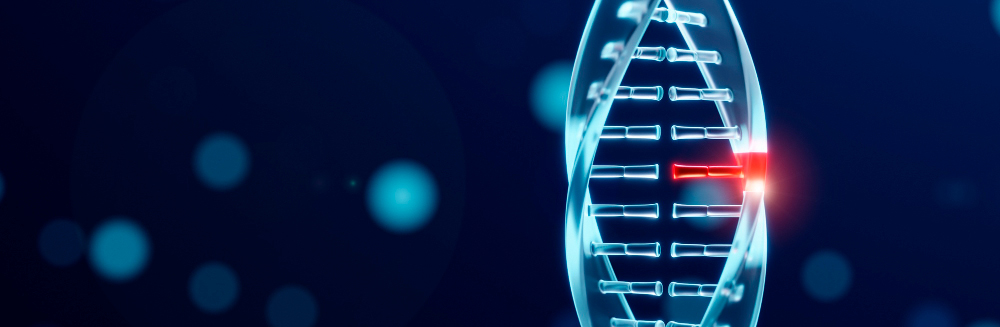
More time passed, and eventually, the second stage of proto-life evolved. It used the sun to obtain energy for itself, and therefore the first type of primitive metabolism appeared. Sweet! Sugar could now be made to offer energy at night, and this meant ‘life’ could migrate away from the spaces where it used to get all their energy, which up until then, had originated from the core of the planet.
It is because ‘primitive plant goo’ managed to produce sugar glucose through the process of photosynthesis which converted carbon dioxide (of which there was a lot at the time) and water into glucose and oxygen using energy from the sun. This in itself was a miracle, and for those of you who want to know what the chemical equation for photosynthesis looks like, this is it: [6CO_2 + 6H_2O + light → C_6H_{12}O_6 + 6O_2]. The next time you look at a plant and think it’s not very clever, try to remember that it’s calculating this equation.
Our bodies can perform some very complicated science math as well. An example would be oxidative phosphorylation, which takes place in our mitochondria (think of them as the ‘power station’ of cells), and the process is crucial for making adenosine triphosphate which we could call the ‘energy currency’ for our body’s cells, which is needed to trade energy to other parts of our body and stay alive.
Let’s get back on track and continue with the assumption that lots of chemical reactions and math was taking place. The earth’s surface up until this point really was not pleasant, inimical in fact. This is a good time in the story to plot out some of the planet’s mass extinction events which took place.
The first one happened around 443 million years ago, and we have called it the Ordovician-Silurian Extinction, during which the earth suffered the loss of many of its marine species. Its causes were probably from rapid Climate Change and a gamma-Ray Burst. It would have had devastating effects for life on earth.
We endured four more over time; the next was the Late Devonian Extinction around 359 million years ago probably caused by anoxia (lack of oxygen in the oceans), volcanic activity, and meteorites. Following that was the Permian-Triassic Extinction around 252 million years ago, and we also call this time in history “The Great Dying”. During this period, approximately 90% of our marine species and 70% of terrestrial vertebrate species died, which made this extinction period one of the very worst ever. The reasons were probably caused by massive volcanism, Climate Change, methane release, and anoxia.
Then around 201 million years ago, we had the Triassic-Jurassic Extinction which negatively affected amphibians and some reptiles. The likely reasons this time were volcanic activity, Climate Change, and ocean acidification. The most famous one happened around 66 million years ago and is called the Cretaceous-Paleogene Extinction, and this is when we lost all the dinosaurs. Reasons were an asteroid impact, volcanism, followed by Climate Change.
Today, we are undergoing a sixth mass extinction-level event, and compared to all the prior ones, it is the most unnatural and probably the only one we could have avoided. It is in short a human-induced global crisis from habitat destruction, overexploitation, pollution, invasive species, diseases and of course, we cannot forget and not mention human prompted Climate Change because of excessive greenhouse gases.
Let’s get back on track, we were discussing life around 3.8 billion years ago before any of the above-mentioned disasters took place. Life’s unstable RNA would evolve (probably through ionizing radiation) into more durable DNA. This meant it was now possible to pass information onto the next generation of goo, which then brought us to the third type of proto-life, the beginning of prokaryotic organisms: the ancestors of today’s bacteria. It is my opinion that this was the moment ‘LIFE’ was born. Instead of these masses of goo molecules just being able to replicate more of themselves, the new goo could now ‘save’ and ‘update’ information on changes it had made (through mutation), and then replicate the new design. Each generation was now a little wiser and better than the one that had come before. This was the birth of ‘storytelling’, an absolute universal heritage of all living things, life is storytelling, and here I am telling you a story about it!
Life’s next magic trick would be to evolve and use oxygen as part of its process to create energy. Up until then, can you believe it, oxygen on Earth had actually been harmful to organisms?
Cyanobacteria (a blue-green algae) which first appeared around 2.4 billion years ago, produced oxygen and reduced iron content in the ocean. It was around this time that Earth went through a phase where mantel plumes created large landmasses which the cyanobacteria absolutely loved, and their numbers boomed. With that, oxygen levels rose substantially because these critters created it as a by-product. It was around this time that our oceans turned blue and the earth went through a Great Oxidation Event.
Unfortunately, around 2.3 billion years ago there was a collision between the Milky Way (our galaxy) and another smaller galaxy. During this cosmic pileup, many new stars were created. Some of these died in supernova explosions which bombarded our planet’s solar system with so much energy our sun’s heliosphere (a bubble of protection around all the planets in our solar system) deteriorated and Earth was abused by extreme cosmic rays. This radiation caused a chain of events, and Earth reacted by covering itself with clouds that would have blocked sunlight and devastated life. Our planet would have looked like a snowball from space. Fortunately, some life survived, and over time, the planet recovered.
Side nugget: our Milky Way galaxy has had several collisions leading to mergers with other galaxies throughout its existence.
Prokaryotes (unicellular organisms that lack organelles or other internal membrane-bound structures) evolved into more complex life, like endosymbiotic systems (blobs that lived within one another, without consuming each other) and had a mutually beneficial relationship of sorts. These creatures in turn evolved into mitochondria (a name I first learned from Star Trek) and chloroplasts.
Around 1.9 billion years ago, there was a very large landmass we have named Nuna. It provided wonderful habitats for bacteria, and without it, evolution may have been stunted. Life on Nuna flourished and increased atmospheric oxygen levels further. Eventually, over many more years, Nuna broke up, and its parts shifted around the globe, finally rejoining to create a new landmass called Rodina. We have had a variety of supercontinents over time: Pannotia, Pangaea, and Gondwana (which was actually half of Pangaea), along with a northern supercontinent known as Laurasia.
A large nugget: Obviously, the land we walk on is not the land that the earth first formed because of the cycling of supercontinents and many other geological processes over millions of years. With that said, there is a patch of land which has remained unchanged for almost the full life of the earth, and guess what South Africans, some of it is in your country!
The oldest parts of the Earth’s crust are found in regions known as cratons. One of the most well-known cratons is the Kaapvaal Craton in southern Africa and the Pilbara Craton in Western Australia. Some of the rocks in these cratons have been dated to around 3.5 to 4 billion years old. If you want to find the oldest part of the earth’s ‘skin’, the Acasta Gneiss in northwestern Canada is believed to be the oldest known part of our earth’s continental crust, where zircon minerals found there were dated at about 4.02 billion years old.
Back to the story. While landmasses were shifting about, lots of chemistry and math was happening, and goo was getting more complicated and clever, there was a moment where collaborating cells evolved to become the first animals, and there is DNA evidence suggesting this happened around 800 million years ago. All living things (animals and plants) are classified as “multicellular eukaryotes.” You, dear Reader, are a multicellular eukaryote from earth. I double dare you to address someone as that in the next email you send.
We are all part of one planet and children of the same lineage. I know some of us look very different, but that’s just because life has played its toll on our DNA over hundreds of millions of years.
One very strange multicellular eukaryote cousin of ours is Mr. Octopus. They are very unique compared to any other animal because they can change their own RNA, and the fact that they have no backbone means they leave very few fossils, which made it nearly impossible to determine how old their species might be. This has resulted in some scientists suggesting they are extraterrestrial and they might have arrived on a comet. Supporting this concept is other evidence that suggests the evolutionary process of the octopus started at a different point in time.
The genome of the octopus shows a staggering level of complexity with 33 000 protein-coding genes. (We only have about 20 000). In addition to this, this animal has nine brains, blue blood, and 3 hearts. The male sex organ is on one of their arms, and the female’s is in her head, through what appears to me (in diagrams) to be the equivalent of her nostril. The next time you look at one of them, you might actually be looking at the child of another far-off planet, which found its home here. It’s a slim chance, but a possibility! How interesting is that?
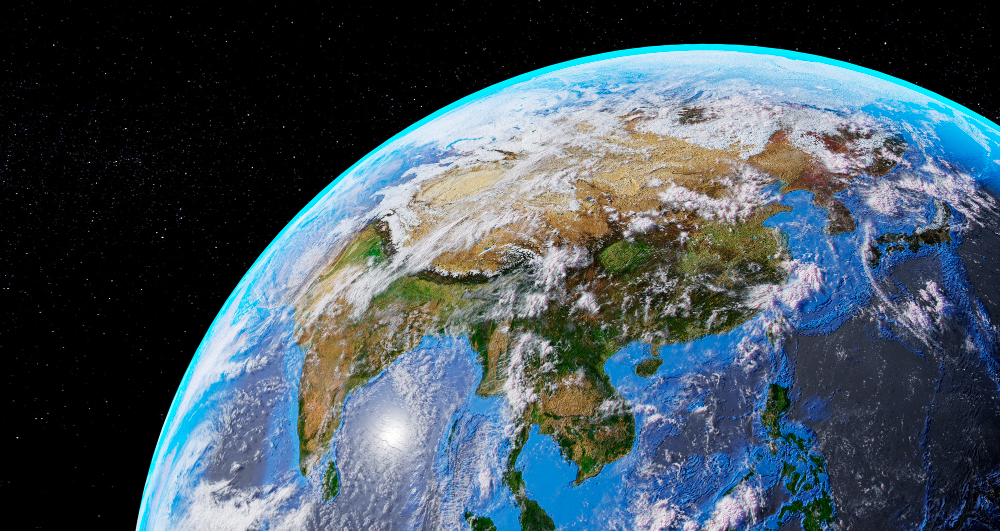
Planet Earth itself is of course just one ecosystem of many of Mother Nature’s ecosystems. There is a much, much bigger picture we are part of. The Milky Way galaxy is home to our planet’s solar system, but there is an estimated 100 billion stars in the Milky Way, all of which have orbiting planets and their own solar systems.
The Milky Way is expected to crash into a larger galaxy called Andromeda in 4.5 billion years’ time. Sounds scary? You don’t need to worry at all; earth coming near to even one of these other planets or stars is extremely unlikely because there is so much space between us. Did you know that you can already fit every planet in our solar system between Earth and our own moon? It’s true.
Andromeda and is about 110 000 light-years in size. Our galaxy is 52 850 light-years in size. The largest galaxy we know of is IC 1101; it is around 50 times the size of the Milky Way. Did you know there are suns out there that are huge! I mean absolutely colossal. Google “UY Scuti.” It has a diameter of 2.37 billion kms, while our sun is only 1 392 000 kms in diameter.
Back to earth we go, and Mother Nature’s story of life on our planet. Over more time, the continents started to sink, and the plates cooled the Earth’s core. The cooling planet resulted in the loss of the Earth’s dipole magnetic field (a magnetic force that emanates from two opposite poles) and a weaker magnetic field formed called a quadrupole magnetic field (four equal monopoles, or two equal dipoles close to one another with an alternating polarity).
Having a magnetic field back then, as is the case today, is the difference between having a planet like Earth and a planet like Mars. Mars lost its magnetic field around 4 billion years ago, and it is extremely inhospitable to life because of this. In short, magnets are good for life!
About 700 million years ago, the Milky Way collided again with another dwarf galaxy. More stars, more cosmic rays, clouds, and cold. This period of time was dubbed the “starburst period”. The Earth, as it had done a few times before already, took some time to thaw out.
All these types of cycles repeated several times in our planet’s history, and each time there was a major loss of life as a result. The planetary ripple effects included frequent fluctuating oxygen and radiation levels, which helped accelerate the evolution of many species while decimating others. Regardless life managed to grow from goo in a hole to goo in water, to primitive plant and critter moving onto land, finally onto the first group of species to dominate land. Amphibians, then reptiles, dinosaurs, mammals, and now us. Animals took to the sky between the reptile and the dinosaur eras.
The landmass called Pangaea is where our very first ancestors first appeared at the rift of the Gondwana supercontinent. There were three types of primates: Old World, New World, and Lorises.
600 million years ago, our dipole magnetic field returned while the Earth’s inner core cooled more. At the same time, our ocean levels dropped through a process called the ‘leaking Earth phenomenon’. As a result, land surfaces increased, and more rivers formed, which were great for the mixing up of nutrients that life really enjoyed gobbling on.
It was now time for the Cambrian Explosion, a period when fossil records for complex animals began appearing. During this period, 35 new phyla evolved and became the foundation of the plants and animals we see today. Phyla make up a far more complex level of categories above the one we call the ‘Kingdoms’ for plants and animals, of which there are only 6 (plants, animals, protists, fungi, archaebacteria, and eubacteria).
Dear Reader, I want you to take a moment now please to reflect on just how much life has had to go through to even get to this point and appreciate that it really is a miracle you are alive today. The chances of someone like you being alive, reading this story, on a digital device humans have invented, which required life needing to learn the secrets of life itself and all the maths and sciences we have, could never ever be quantified.