
Deep-Sea Oil Drilling in South Africa: A Win for Fossil Fuels (September 2026)
A WIN FOR FOSSIL FUELS, A LOSS FOR OUR FUTURE
– not an overstatement, well within the realm of possibility if not probability.
First published in 2026
DON'T LIKE TO READ?
I am so tired of writing these sorts of articles. Surely, we must be getting to a point in time where we are more sensible? I really hope so, but not as of June 2026, it would appear we are not there yet. What am I on about? Mother nature is back in court.
Our Department of Mineral and Petroleum Resources ‘thumbs upped’ TotalEnergies to start drilling up our ocean floors for up to ten ultra-deep-water exploration wells, and this is in spite of opposition from 18 civil society groups and fishing cooperatives. Minister Barbara Creecy in 2024 dismissed (back then, cause now we have Dion George) these very valid objections saying that the initial approval was both sound and valid. #facepalm.
I find this sort of decision ultra-deeply (excuse the pun) disappointing and obviously couldn’t agree less with it if I tried.
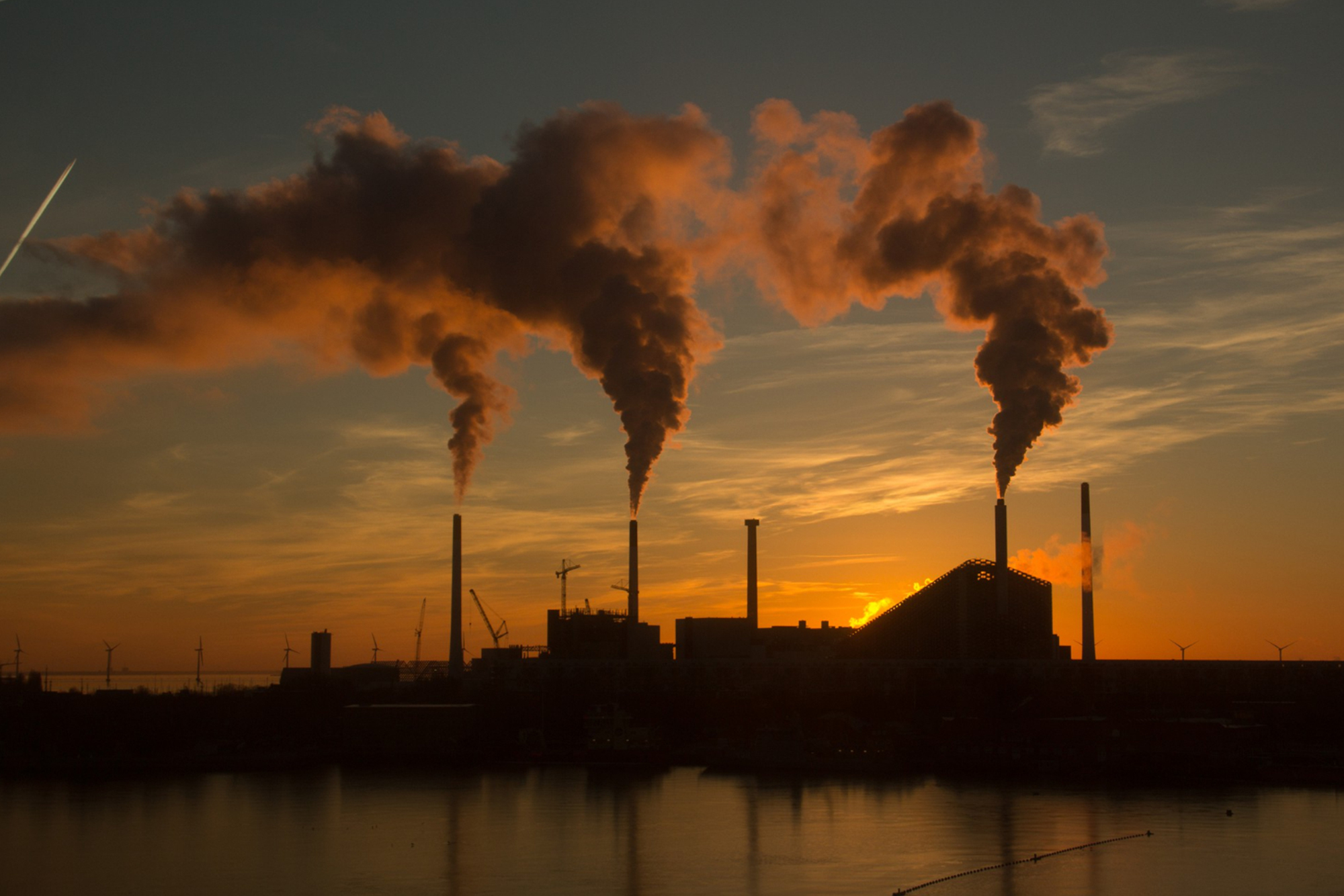
The drilling is scheduled to take place in the Deep Water Orange Basin (DWOB for short), located around 200 kilometres off our west coast, nearing the Namibian marine border. TotalEnergies EP South Africa is spearheading this silliness along with its key fossil fuel partners in crime, Shell and PetroSA. (And if you don’t think there is crime in this industry, you clearly missed my article “Criminal, which you can read or listen to here: https://www.jeanpierremurraykline.co.za/criminal/”
‘Concerns’ about this drilling have been highlighted, demonstrated, written and talked about with as much energy as the activist organizations can muster, and I thank the work of The Green Connection, Natural Justice, and the Aukotowa Primary Fishing Cooperative for their efforts. These Future Thinking people have argued that the Environmental Impact Assessment underestimated the risks of an oil spill, pointing out that blowouts in ultra-deep wells are complex and cause irreversible damage to marine ecosystems, and more! Try for a moment not to forget that fishing communities who are already facing declining fish stocks because of other shenanigans, and now they are facing more risk with their food security and livelihoods threatened by a big business.
Approving new fossil fuel projects in 2026 contradicts our constitutional responsibilities and our commitments under international climate agreements, its madness, irresponsible, selfish and driven by ego and the desire to make bucket loads of money. Some government data says that a successful commercial development like this could generate substantial revenue of between R80 billion and R100 billion. Let me just mention one of the entities that might enjoy some of this moola, and it is TOSACO, a local consortium associated with the ruling African National Congress who owns a 40+% stake in this venture (via TotalEnergies)… with the French, QatarEnergy and Sezigyn getting the rest. In defrench …
I mean in defence of the project, not that one can really have a defence, TotalEnergies and ‘government’ have argue that our nation must tap into its ocean resources and say the likelihood of a well blowout is extremely low, estimated at a tiny teeny 0.0143% (which is reporting less than the statistical probability I found of between 0.031% and 0.19%). So, while the percentage is very low, I just want to remind people how quickly things can change, for example at the very beginning of the outbreak of Covid-19, the global probability of implementing a civilian lockdown was considered near zero. 3 months later, it was 100% certainty.
I would prefer to look at another percentage, that being the statistical probability of the South African government committing a legal or technical error when granting Environmental Authorisations for deep-sea oil drilling to be approaching 100%, based on recent historical data. You can fact check this, because in recent years every major offshore oil and gas exploration permit approved by South Africa’s Department of Mineral Resources and Energy has been overturned or halted by the judiciary due to government missteps and inadequate risk assessments. Our champion judiciary consistently finds that the government fails to follow necessary legal procedures under the National Environmental Management Act. Some cases I can name drop include the Wild Coast Seismic Case involving Shell and the South-West Coast Block 5/6/7 Case, also involving TotalEnergies and Shell, and highlight the same government’s unlawful actions, including the lack of consultation with local communities and flawed environmental evaluations.
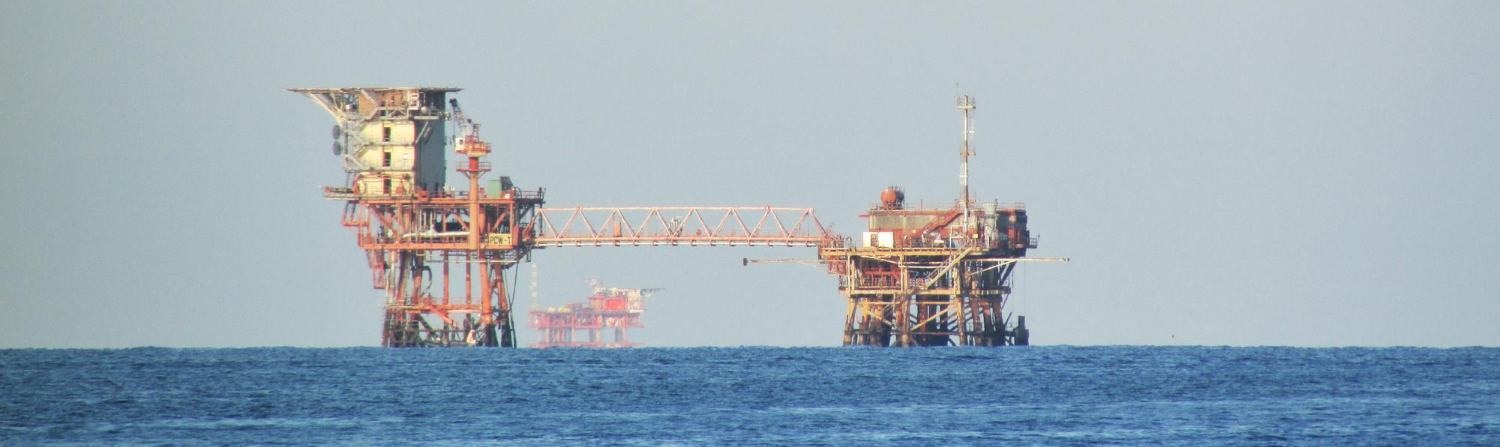
With the above said and done, maybe we should do a quick poking of the bear and scenario plan a worse case situation is should things go pear-shaped?
Let’s start with some Financial and Economic concerns? That’s where most people want to start right? An ultra-deepwater blowout during major drilling operations would unleash enormous amounts of crude oil at the most alarming rates you can imagine, tens of thousands of barrels per day … into our ocean! An historical event for comparison is the BP Deepwater Horizon disaster which had cleanup costs into the billions of USD; over $65 billion! For South Africa, even a smaller blowout that necessitates subsea capping stacks, chemical dispersants, and shoreline cleanup could cost around R50 billion and R150 billion – and guess who would have to fit that bill, that’s right, probably South African tax payers. (Anyone see where Dion or Barbara have gone?)
The local economy of the West Coast is heavily dependent on traditional fisheries, like snoek and rock lobster. According to court filings from the Aukotowa Primary Fishing Cooperative, a significant spill could result in a total loss of income for thousands of near-shore fishers. With limited alternative job opportunities in areas like Port Nolloth and Hondeklip Bay, local economies could face complete collapse – and that will destroy families that have been there for generations. What recourse might they have?
Oil floats, and oil slicks making their way towards Saldanha Bay and Cape Town would require extremely rapid closure of major commercial ports and infrastructure, I also would like to remind you that this might include the intake systems for desalination plants and the Koeberg Nuclear Power Station… so an oil spill might also effect our power grid stability.
The biggest damage will be Environmental and Ecological – total devastation. Our West Coast is part of the highly productive and unique Benguela current system – it so extremely special and important, and still we want to risk it regardless? There are also Independent studies which show that an uncontrolled offshore blowout has over a 50% chance of causing mass mortality among coastal wildlife. Can you imagine our coast without Penguins, because the destruction that could be caused would probably lead to localized extinction of species and possibly irreversible damage to critical seabed ecosystems. Don’t even get me started with hydrocarbons which accumulate in marine life, meaning our yummy fish and chips on Sunday could very well become toxic.
Finally, Geopolitical and Transboundary Fallout. The northern boundary of TotalEnergies’ block is right on the maritime border with our sister nation Namibia, and the ocean currents in the Orange Basin could very easily carry millions of barrels of oil into Namibian waters. Would Namibia ever forgive us? Under international laws, like the UN Convention on the Law of the Sea (UNCLOS) and the High Seas Treaty, South Africa could be held liable. (Anyone found Barbara or Dion yet?)
What happens now? The Western Cape High Court is currently pondering a significant review application (made in March 2026) aimed at overturning the government’s drilling authorization entirely. The judges have reserved their judgment, making this a pivotal legal case that could have far-reaching implications for the future of South Africa’s offshore energy landscape. This entire situation is so upsetting for me. Let’s hope humans do the right thing!
The END.
WANT TO READ MORE ARTICLES?
But wait, there is MORE!

Who is Jean-Pierre Murray-Kline?
Jean-Pierre is a South African serial e-entrepreneur, published author, and change champion who has worked in over 300 types of industries in some capacity or another. His own online businesses have generated millions of Rands and involved sectors such as law, web & app development, events & entertainment, property, technical services, media, and tourism.
He has traveled to over 180 cities worldwide and is extremely active as a business and environmental technologist. In addition to his own projects, he researches and consults on all things online: marketing, reputation, compliance, law, and e-security, and also offers strategy workshops and scenario sessions on future thinking with a key focus on technology, the environment, and global influences.
Jean-Pierre is often asked to be a guest speaker on a variety of subjects he continuously studies and writes about.
Disclaimer:
- While I attempt to ensure information is accurate and up-to-date at time of publication, I will not accept liability should information be used, and found to be incorrect. If you do see an error, please let me know.
- The links, images, videos and/ or text from this article are not necessarily under my direct management, ownership or care. Should you be the owner or manager of any content herein, and wish for the content to be removed, please let me know and it will be done.